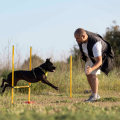
In the world of service dogs, the journey does not end once the dog is paired with its handler. Instead, it marks the beginning of a profound partnership that thrives on ongoing training and support for service dog teams. These loyal companions not only assist individuals with disabilities but also enrich their lives in unimaginable ways. However, maintaining the effectiveness of this partnership requires continuous effort, dedication, and knowledge. Whether you are a first-time service dog handler or a seasoned veteran, understanding the importance of ongoing training is crucial.
It ensures that both the handler and the service dog can adapt to new challenges and environments as they arise. In this article, we will explore the various facets of continuous training and support, emphasizing how they contribute to a successful and harmonious relationship between service dogs and their handlers. Moreover, we will delve into practical strategies, resources, and expert insights that can help you enhance your training regimen. By investing in ongoing training and support, you not only empower your service dog but also improve your own skills as a handler. Join us as we uncover the essential elements that make up this dynamic training process and why it is vital for every service dog team.
Ongoing training and support for service dog teams
is essential to ensure that both the handler and the service dog can effectively work together.While initial training lays the foundation, it is the ongoing training that allows the team to adapt to changing circumstances and challenges over time. One of the pivotal aspects of this ongoing training is the role of professional trainers. These experts offer specialized training tailored to the unique needs of service dogs, focusing on specific tasks that the dog must perform in their working life. For instance, if a service dog is trained to assist with mobility issues, a professional trainer may provide classes that focus on enhancing the dog’s ability to navigate obstacles or retrieve items for their handler. Regular practice sessions play an equally important role in maintaining and reinforcing learned behaviors and commands.
Just like any skill, dogs benefit from consistency and repetition. By scheduling regular training sessions, handlers can ensure that their service dogs remain sharp and responsive to commands. This consistent practice not only helps in solidifying the bond between the handler and the dog but also prepares the team for real-life scenarios they may face together. As service dogs and their handlers continue to work together, they may encounter new challenges or behavioral issues that arise over time. Common concerns include reactivity towards other animals or unfamiliar situations, as well as anxiety that may develop due to changes in routine or environment. Just like any skill, dogs benefit from consistency and repetition. By scheduling regular training sessions, handlers can ensure that their service dogs remain sharp and responsive to commands. This consistent practice not only helps in solidifying the bond between the handler and the dog but also prepares the team for real-life scenarios they may face together. As service dogs and their handlers continue to work together, they may encounter new challenges or behavioral issues that arise over time. Common concerns include reactivity towards other animals or unfamiliar situations, as well as anxiety that may develop due to changes in routine or environment.
Addressing these issues requires a proactive approach. Handlers should seek guidance from trainers who can provide strategies tailored to these specific challenges. For example, a trainer might recommend desensitization techniques for a dog that shows reactivity or suggest ways to create a calming environment for a nervous dog. In addition to professional training, there are numerous resources available for handlers looking to enhance their skills and knowledge. Online courses offer flexibility for those who may not have access to local training facilities or who prefer to learn at their own pace.
Workshops provide hands-on experience and often allow handlers to engage directly with trainers and fellow participants, fostering a sense of community. Local training groups can also be invaluable, as they often provide opportunities for socialization for both dogs and handlers, facilitating shared learning experiences. Joining support groups can significantly benefit handlers of service dogs. These groups create a platform for sharing experiences, solutions, and advice. They can serve as a safe space where handlers can discuss challenges they face with their dogs, celebrate successes, and glean insights from others who understand the unique dynamics of working with a service dog.
For instance, a handler struggling with their dog's anxiety may find solace in hearing how others have successfully managed similar issues through consistent training and socialization. It is important to recognize that there may be disagreements around training methodologies within the community of service dog handlers. Different trainers may advocate for varying approaches based on their philosophies or experiences. It is crucial for handlers to find a trainer whose methods resonate with their own values and beliefs about animal training. This alignment can foster a more harmonious learning environment for both the handler and the service dog, ensuring that their relationship is built on trust and understanding. In conclusion, ongoing training and support for service dog teams is not just about maintaining skills; it is about nurturing a partnership that evolves over time.
With the right support systems in place—be it through professional trainers, regular practice sessions, resources like online courses, or community support—handlers can ensure that their service dogs continue to thrive in their roles while adapting to new challenges as they arise.
Regular Practice: A Key to Success
Ongoing practice is essential for the success of any service dog team. Just like humans, dogs benefit from repetition and routine, which reinforces their understanding of commands and behaviors. This consistent practice ensures that the service dog can reliably respond to cues and commands, especially in high-stress or distracting environments. When a service dog undergoes regular training, it solidifies the bond between the handler and the dog. This bond is crucial as it fosters trust and communication, enabling both parties to work together more effectively.As the handler continues to practice commands with their service dog, they not only strengthen this relationship but also gain confidence in their ability to manage their dog's behavior. Moreover, continuous practice allows handlers to address any emerging challenges that may arise as their dog's behavior evolves over time. For example, as dogs grow older or face new experiences, they may react differently to certain stimuli. Regular training sessions provide an opportunity for handlers to adapt their approach and refine their commands to ensure that their dog remains reliable and responsive. In conclusion, integrating regular practice into the daily routine of a service dog team is vital for maintaining a high level of performance. It helps reinforce learned behaviors, enhances communication, and prepares both the handler and the dog to face various situations confidently.
Therefore, dedicating time for ongoing training is not just beneficial; it's essential for the success of service dog teams.
The Role of Professional Trainers in Service Dog Training
Professional trainers play a crucial role in the ongoing training and support for service dog teams. Their specialized knowledge and resources are invaluable in ensuring that both the handler and the service dog can work together effectively. With their expertise, trainers can help identify the unique needs of each team, tailoring training programs to address specific challenges that may arise as the dog matures or as the handler's requirements evolve. One of the key benefits of working with professional trainers is their ability to provide individualized guidance. They can assess the dog's behavior and the handler's skills, offering targeted advice and strategies to enhance their partnership.This personalized approach not only fosters a stronger bond between the dog and handler but also boosts confidence in both parties. Moreover, professional trainers have access to a wealth of resources, including training materials, workshops, and ongoing education opportunities. These resources can be instrumental in keeping service dog teams updated on best practices and new techniques in the field. By staying informed about the latest developments in service dog training, handlers can ensure that they are providing the best possible support for their canine companions. In addition to teaching specific tasks or commands, have access to a wealth of resources, including training materials, workshops, and ongoing education opportunities. These resources can be instrumental in keeping service dog teams updated on best practices and new techniques in the field. By staying informed about the latest developments in service dog training, handlers can ensure that they are providing the best possible support for their canine companions. In addition to teaching specific tasks or commands, professional trainers also emphasize the importance of socialization and real-world experiences. They guide teams in exposing their service dogs to various environments and situations, helping them become well-rounded and adaptable.
This exposure is essential for preparing service dogs to handle the diverse challenges they may encounter while assisting their handlers. Ultimately, ongoing collaboration with professional trainers is vital for maintaining a successful service dog partnership. Their expertise not only enhances the team's skills but also ensures that both the handler and dog are equipped to navigate life's complexities together.
Addressing Behavioral Issues
Even with the best training, service dog teams can encounter various behavioral issues as they continue their journey together. These challenges can arise for a number of reasons, including changes in the dog's environment, maturation of the dog, or shifts in the handler's needs. Addressing these issues promptly is essential to maintain a strong and effective partnership. One common behavioral issue is leash pulling.This often occurs when a service dog becomes excited or distracted during walks. To address this, handlers can implement consistent training techniques such as the 'stop-and-go' method. Whenever the dog pulls, the handler should stop walking until the dog returns to a relaxed position. This reinforces the idea that pulling will not get them where they want to go. Another prevalent issue is reactivity towards other animals or people.
This can be particularly challenging for service dog teams in public spaces. Handlers can work on desensitization exercises, gradually exposing their dog to various stimuli while rewarding calm behavior. Engaging a professional trainer for guidance can also be beneficial in these situations. In some cases, service dogs may develop separation anxiety, which can manifest as barking, destructive behavior, or restlessness when left alone. To mitigate this, handlers should practice short separations paired with positive reinforcement to help the dog become accustomed to being alone without distress. Lastly, resource guarding, where a dog may show aggression over toys or food, can pose significant challenges.
Handlers should seek to identify triggers and work on counter-conditioning techniques, teaching their dog that sharing leads to positive outcomes. By actively addressing these behavioral issues, service dog teams can ensure that their partnership remains effective and harmonious. Ongoing training and support are key to navigating these challenges and fostering a healthy relationship between the handler and their service dog.
Joining Support Groups
Being part of a community of service dog handlers can provide invaluable benefits that enhance the overall experience for both the handler and their service dog. One of the primary advantages of joining support groups is the opportunity to share knowledge and experiences. These groups often consist of individuals who are facing similar challenges and successes, creating a rich environment for learning and growth. Support groups offer a platform for members to exchange tips on training techniques, behavioral issues, and solutions to common problems.This collective wisdom can be particularly beneficial when handlers encounter new situations or obstacles that may not have been addressed during initial training. Moreover, being part of a community fosters a sense of belonging and emotional support. Handlers can connect with others who truly understand the unique bond they share with their service dogs. This connection can be vital during times of stress or uncertainty, providing encouragement and motivation to continue pursuing ongoing training. Additionally, many support groups organize workshops, seminars, and training sessions led by experienced professionals. These events provide opportunities for handlers to further develop their skills and deepen their understanding of ongoing training practices.
Engaging in these activities not only enhances the handler's capabilities but also strengthens the working relationship with their service dog. In conclusion, joining support groups is an essential step for service dog teams seeking ongoing training and support. By connecting with fellow handlers, sharing knowledge, and participating in organized events, handlers can ensure they are equipped to navigate any challenges that arise as they continue their journey with their service dog.
Resources for Handlers
For service dog teams, having access to the right resources is essential for ongoing training and support. Handlers can benefit from a variety of options that cater to their specific needs and circumstances. One of the most accessible resources is online courses. These courses offer flexibility, allowing handlers to learn at their own pace and revisit material as necessary.Many organizations provide comprehensive training modules that cover various aspects of working with service dogs, including advanced commands, behavioral management, and specialized skills. In addition to online courses, local classes are invaluable for hands-on learning. Many communities have training facilities or local trainers who offer classes specifically for service dog teams. These classes not only provide practical experience but also create opportunities for socialization between dogs and handlers, fostering a supportive environment. Community support is another critical resource. Joining local or online support groups can connect handlers with others who share similar experiences.
These groups often exchange tips, provide emotional support, and share information about local trainers or classes that may be beneficial. Furthermore, many organizations dedicated to service dogs offer resources such as workshops, seminars, and webinars. These educational events can cover a wide range of topics, from understanding canine behavior to managing specific challenges that may arise over time. Lastly, seeking advice from professional trainers can be crucial. Trainers with experience in service dog work can provide personalized guidance tailored to the unique needs of the handler and their dog, ensuring they receive the best possible support as they continue their journey together. In conclusion, ongoing training and support for service dog teams is not just beneficial but essential for a successful partnership. As both the handler and the service dog grow and evolve, their training needs will change, making continuous learning a vital aspect of their relationship.
By committing to regular practice and engaging with professional trainers, handlers can ensure that they are well-equipped to address any challenges that may arise. Moreover, utilizing available resources and joining support groups can provide invaluable assistance, fostering a community where handlers can share experiences and solutions. Remember, seeking help when needed is a sign of strength and dedication to the team’s success. Embrace the journey of ongoing development, as it paves the way for a harmonious bond between you and your service dog.