As pet owners, we share a profound bond with our canine companions, and this connection often leads to a range of emotional responses—both joyous and challenging. One of the most common yet misunderstood issues that can arise in our furry friends is separation anxietyseparation anxiety. This condition can manifest in various behaviors that not only affect the dog but also impact the entire household. Understanding separation anxiety is crucial for any dog owner who wishes to ensure a harmonious living environment. Imagine coming home after a long day, only to find your beloved pet has chewed up furniture or left a mess in their anxious attempts to cope with your absence.
These reactions are not merely acts of rebellion; rather, they are signs of distress stemming from the fear of being alone. As we delve into this article, we will explore the intricacies of separation anxiety, its causes, and most importantly, effective strategies to help your dog overcome this challenge. By recognizing the signs of separation anxiety and addressing them appropriately, you can foster a more secure and relaxed environment for your dog, ultimately strengthening your bond. Join us as we navigate this important topic and equip you with the knowledge you need to support your canine friend through their anxiety.
Separation anxiety
in dogs is a complex behavioral issue that can stem from a variety of underlying causes. Understanding these causes is crucial for pet owners who want to effectively address the problem.One of the most common reasons dogs develop separation anxiety is past trauma. This can include experiences such as being abandoned, relinquished to a shelter, or experiencing a significant loss in their family. Such events can lead to heightened stress levels whenever the dog is left alone, resulting in panic and distress. Another contributing factor to separation anxiety is a lack of socialization during the critical developmental stages of a dog's life. Dogs that have not been properly exposed to different environments, sounds, and experiences may struggle with being left alone, as they feel unprepared for the situation.
Similarly, changes in routine—such as a new job that requires longer hours away from home or moving to a new house—can trigger or exacerbate separation anxiety. Dogs are creatures of habit, and any disruption to their daily routine can lead to feelings of insecurity. Recognizing the symptoms of separation anxiety is vital for early intervention. Common signs include excessive barking or howling when left alone, destructive behavior such as chewing furniture or scratching doors, and inappropriate house soiling. Some dogs may even exhibit signs of distress immediately before their owner leaves, such as following them around the house or showing signs of agitation.
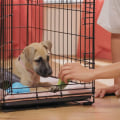
By being observant and noting these behaviors, pet owners can take proactive steps to mitigate their dog's anxiety. There are several effective training techniques and tools that can help alleviate separation anxiety. One popular method is crate training, which involves teaching the dog to view their crate as a safe space. When done correctly, this can provide comfort and security when the owner is away. Gradual desensitization is another effective approach; it involves slowly getting the dog accustomed to being alone for short periods before gradually increasing the duration.
This helps the dog learn that being alone does not equate to abandonment. Positive reinforcement plays a crucial role in these training techniques. Rewarding the dog with treats or praise for calm behavior when left alone can reinforce their confidence and reduce anxiety over time. It’s important to create positive associations with being alone rather than punishing negative behaviors, which could increase fear and stress. Real-life testimonials from dog trainers highlight the success of these methods. For instance, one trainer recounts working with a dog named Max who exhibited severe separation anxiety.
Through crate training and consistent positive reinforcement, Max learned to feel secure while his owner was away. Over time, he transitioned from destructive behavior to calmly resting in his crate until his owner returned home. While there are various opinions on training methods for separation anxiety, it’s essential to focus on evidence-based approaches that prioritize the well-being of the dog. Some trainers advocate for more traditional methods that may involve harsher corrections; however, research consistently shows that positive reinforcement strategies yield better long-term results without causing additional stress or fear. By adhering to scientifically supported training techniques, pet owners can foster a healthier emotional state for their dogs and improve their overall quality of life. In summary, addressing separation anxiety requires understanding its underlying causes and recognizing its symptoms early on.
With appropriate training techniques like crate training, gradual desensitization, and positive reinforcement, many dogs can overcome these challenges and lead happier lives. Pet owners are encouraged to seek professional help if they suspect their dog is suffering from separation anxiety, as early intervention can make all the difference in their pet's well-being.
When to Seek Professional Help
Recognizing the signs of separation anxiety in your dog is the first step towards addressing the issue effectively. However, knowing when to seek professional help can be just as crucial. If you notice that your dog's symptoms are severe or persistent, it may be time to consult a professional dog trainer or behaviorist. Here are some key indicators that suggest it might be necessary to seek assistance: in your dog is the first step towards addressing the issue effectively. However, knowing when to seek professional help can be just as crucial. If you notice that your dog's symptoms are severe or persistent, it may be time to consult a professional dog trainer or behaviorist. Here are some key indicators that suggest it might be necessary to seek assistance:- If your dog exhibits extreme distress when you leave, such as excessive barking, whining, or howling.
- If your dog engages in destructive behaviors, like chewing furniture or digging at doors, which could pose safety risks.
- If your dog experiences physical symptoms of stress, such as vomiting, diarrhea, or excessive drooling.
- If your attempts at training and behavioral modification have not yielded positive results after a reasonable period.
- If you find that your dog's anxiety is affecting your daily life and overall well-being.
They may recommend strategies such as desensitization techniques, counter-conditioning, or even medication in severe cases. Remember, seeking help is not a sign of failure but a proactive step towards ensuring your dog's happiness and health.
Effective Training Techniques
Addressing separation anxiety in dogs often requires a combination of training techniques tailored to the individual dog's needs. Implementing effective training methods can significantly alleviate the distress experienced by both the dog and the owner. One popular approach is crate training, which helps dogs develop a sense of security within a confined space. When introducing your dog to a crate, it is essential to make it a positive experience.Start by allowing your dog to explore the crate with the door open, rewarding them with treats and praise for entering voluntarily. Gradually increase the time spent in the crate with the door closed while ensuring your dog feels safe and comfortable. This technique can help reduce anxiety when you leave home. Another effective method involves behavior modification techniques, which aim to change your dog's response to being left alone. Begin by desensitizing your dog to your departures.
Practice leaving for short periods, gradually increasing the duration over time. This helps your dog learn that your departures are not permanent and that you will return. Additionally, providing engaging toys or puzzle feeders can keep your dog occupied and distracted during your absence. Consistency is key in applying these techniques. Consider enlisting the help of a professional dog trainer or behaviorist who can provide guidance tailored to your dog's specific needs.
Remember, patience and persistence are crucial as you work through these training methods to help your furry friend feel more secure when left alone.
Signs to Watch For
Recognizing the signs of separation anxiety in dogs is crucial for early intervention and effective management. Owners should be vigilant and aware of the common symptoms that indicate their furry friend may be struggling with this condition. One of the most prevalent signs is excessive barking or howling when the owner leaves the house. This vocalization can continue for an extended period and may disturb neighbors.Additionally, dogs with separation anxiety may engage in destructive behaviors, such as chewing furniture, scratching doors, or attempting to escape from their crates or designated areas. Another telltale sign is inappropriate urination or defecation, even if the dog is house-trained. This behavior often occurs not out of spite but due to stress and a lack of control over their emotions. Furthermore, some dogs may exhibit signs of distress, such as pacing, whining, or showing clinginess when their owner prepares to leave. Physical symptoms can also manifest, including excessive drooling, panting, or shaking. It’s important to note that these behaviors typically occur when the owner is about to leave or shortly after they have departed, rather than at other times during the day. If pet owners notice any of these signs in their dogs, it’s essential to take them seriously.
Early recognition and intervention can significantly improve a dog's quality of life and strengthen the bond between pet and owner.
Causes of Separation Anxiety
Separation anxiety in dogs can stem from a variety of factors that interplay with each other, leading to this challenging behavioral issue. Understanding these causes is crucial for pet owners to address the problem effectively. One significant factor is genetics. Some breeds are more predisposed to anxiety-related issues due to their genetic makeup. Breeds such as Labrador Retrievers, German Shepherds, and Vizslas may exhibit higher tendencies toward separation anxiety compared to others.This genetic predisposition can manifest as heightened sensitivity to changes in their environment or routine. The environment in which a dog is raised also plays a critical role. For instance, dogs that are not properly socialized during their formative months may struggle with anxiety when left alone. An unstable home environment, marked by frequent moves, changes in family dynamics, or the loss of a companion animal can exacerbate feelings of insecurity and lead to separation anxiety.Previous experiences significantly contribute to the development of separation anxiety. Dogs that have experienced abandonment, neglect, or traumatic events related to being left alone often develop a fear of separation.
These experiences can create lasting memories that trigger anxiety when their owner prepares to leave. Overall, it is essential for dog owners to recognize these contributing factors. By understanding the roots of separation anxiety, they can take proactive steps in creating a supportive environment that minimizes anxiety triggers and promotes confidence in their dogs. In conclusion, we have explored the multifaceted nature of separation anxiety in dogs, emphasizing its prevalence and the significant impact it can have on both pets and their owners. Understanding the causes of separation anxiety and recognizing the signs to watch for are crucial first steps in addressing this common issue. Through effective training techniques, pet owners can foster a sense of security in their dogs, promoting healthier behaviors and reducing stress.
Remember, if you observe persistent signs of anxiety, it is vital to seek professional help. With patience, love, and the right strategies, improvement is not only possible but likely. Taking proactive measures to understand and manage separation anxiety will lead to a happier life for both you and your furry companion.