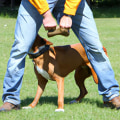
Welcoming a new puppy into your home is an exhilarating experience filled with joy, laughter, and a little bit of chaos. As your fluffy friend explores their new environment, one of the most important skills you can teach them is how to respond to basic commands. Among these commands, 'down' is essential for both safety and good behavior. This simple instruction not only helps to keep your puppy grounded during playtime but also establishes a sense of calm in various situations. Imagine having the ability to redirect your puppy's energy or excitement by simply asking them to lie down.
Whether you're at the park, in a crowded space, or entertaining guests at home, teaching your puppy this command can lead to more enjoyable interactions and a well-mannered companion. In this article, we will guide you through effective methods and tips for teaching 'down' to your puppy, ensuring that you both enjoy the learning process. Get ready to bond with your furry friend while setting the foundation for a lifelong relationship built on trust and understanding. Let’s dive into the world of puppy training and discover how mastering the to your puppy, ensuring that you both enjoy the learning process. Get ready to bond with your furry friend while setting the foundation for a lifelong relationship built on trust and understanding. Let’s dive into the world of puppy training and discover how mastering the 'down' command can enhance your puppy's behavior and your experience as a pet owner. Teaching your puppy the down command is a crucial part of their training journey, enhancing not only their obedience but also ensuring their safety in various situations. To begin, it’s essential to prepare the right environment for your training sessions.
Choose a quiet space free from distractions, such as loud noises or other pets, where your puppy can focus solely on you and the task at hand. Using positive reinforcement is paramount when teaching the Choose a quiet space free from distractions, such as loud noises or other pets, where your puppy can focus solely on you and the task at hand. Using positive reinforcement is paramount when teaching the down command. This means rewarding your puppy with treats, praise, or playtime whenever they exhibit the desired behavior. Start by holding a treat close to your puppy’s nose to get their attention. Once they are focused on the treat, slowly move your hand down towards the ground.
The goal is to encourage your puppy to follow the treat and lower their body into a down position. As your puppy begins to lower themselves, use a verbal command such as “down” in a calm and clear voice. Additionally, incorporating a hand signal—such as an open palm moving downwards—can further reinforce the command. Repetition is key; practice this process several times until your puppy associates the action with both the verbal command and the hand signal. Throughout the training process, it’s important to remain patient and consistent. Each puppy learns at their own pace, so if your puppy struggles to understand the down command initially, don’t be discouraged.
Common challenges include distractions in the environment or your puppy’s natural excitement. If you find that your puppy is too distracted, consider moving to a quieter area or reducing the time spent training in one session. Focus on short, frequent sessions of about 5 to 10 minutes to keep your puppy engaged. The down command can prove invaluable in various situations. For instance, during mealtime, instructing your puppy to go down can help prevent them from begging or jumping up on you.
When guests arrive at your home, having your puppy lie down can create a calm atmosphere and help them feel more secure rather than overwhelmed by new visitors. As you continue training, maintaining consistency is crucial. Use the same verbal commands and hand signals each time you practice the down command so that your puppy can easily recognize what is expected of them. Reinforce this command throughout daily life by asking your puppy to down before meals, during playtime breaks, or when guests enter your home. Recognizing when your puppy has mastered the down command is also important. Look for signs that they are consistently responding to both your verbal cues and hand signals without hesitation.
Once you feel confident in their ability to follow the command, you can gradually phase out treats as rewards, replacing them with verbal praise or affection instead. This transition helps reinforce that obeying commands is rewarding in itself and encourages good behavior without over-reliance on treats. Remember that patience and perseverance are key components of successful training; with dedication and positive reinforcement, any puppy can learn the down command and enjoy the benefits it brings to their relationship with their owner.
Setting the Stage for Success
To effectively teach your puppy the down command, it's essential to create a distraction-free environment. Puppies are naturally curious and easily distracted, so setting the stage for success can significantly enhance the training experience. Begin by choosing a quiet location where your puppy feels comfortable and safe.This could be a room in your home with minimal noise or outside in a quiet backyard. Eliminate any potential distractions such as other pets, loud noises, or people passing by. If you are indoors, consider closing windows or doors to minimize outside sounds. Ensure that the area is free from toys or items that might capture your puppy's attention during training sessions. Additionally, select a time when your puppy is calm and not overly excited or energetic. Training sessions should be short and engaging, but starting when your puppy is naturally more relaxed can help facilitate focus on the task at hand. By creating an optimal learning environment, you allow your puppy to concentrate fully on mastering the down command, ultimately leading to a more successful training experience.
Troubleshooting Common Issues
When teaching your puppy the down command, you may encounter several challenges.Understanding these common issues can help you troubleshoot effectively and ensure a smoother training process. One of the most common problems is that your puppy may not want to lie down. This could be due to excitement or distraction in their environment. To address this, try training in a quiet space with minimal distractions at first. Gradually introduce distractions as your puppy becomes more comfortable with the command. Another challenge is that some puppies may not respond to the command immediately or may take longer to understand what is expected of them.
Patience is key here. Use positive reinforcement techniques, such as treats and praise, to encourage your puppy when they make progress, even if it’s small. Additionally, puppies can sometimes associate the down command with negative experiences, especially if they feel forced into the position. To combat this, ensure that the training sessions are fun and rewarding. Use a gentle approach, and never force your puppy into the down position; instead, guide them using treats or their favorite toy. Lastly, if your puppy seems anxious or uncomfortable when attempting to learn the down command, take a step back.
It’s important to create a positive learning environment. Consider shortening training sessions and gradually building up your puppy’s confidence in performing the command. By recognizing these common challenges and employing the right strategies, you can help your puppy master the down command with confidence and ease.
Reinforcing Learning
Once your puppy has grasped the basics of the 'down' command, it is crucial to reinforce this learning consistently. Incorporating the 'down' command into daily routines not only helps solidify your puppy's understanding but also makes training a natural part of your interactions. Start by using the 'down' command during regular activities. For example, when it’s time for meals, ask your puppy to 'down' before serving their food.This creates a positive association with the command and reinforces their obedience in a context that is meaningful to them. Additionally, during playtime or walks, you can periodically ask your puppy to 'down' to practice the command in different environments. Consistency is key. Use the same verbal cue and hand signal each time you want your puppy to 'down'. This will help prevent confusion and aid in quicker learning.
Whenever your puppy successfully follows the command, reward them immediately with praise or a treat. This positive reinforcement encourages them to repeat the behavior in the future. Furthermore, consider incorporating short training sessions throughout the day where you focus specifically on the 'down' command. These sessions should be fun and engaging, using a variety of locations and distractions to challenge your puppy and keep them interested. Remember that patience is vital. Some puppies may take longer to master the 'down' command than others.
If your puppy seems frustrated or confused, take a step back and simplify the task. Gradually increase the difficulty as they become more comfortable with the command. By embedding the 'down' command into your daily routine and using consistent reinforcement techniques, you will not only enhance your puppy's training but also strengthen the bond between you and your furry friend.
The Training Process
Teaching your puppy the down command can be a rewarding experience that enhances your relationship with your furry friend. Follow these step-by-step instructions to ensure a successful training process.Step 1: Get the Right Treats
- Choose small, soft treats that your puppy loves. This will help keep their attention focused on you during training sessions.Step 2: Find a Quiet Space
- Begin in a quiet area with minimal distractions.This will help your puppy concentrate on the task at hand.
Step 3: Use the Sit Command
- Start by having your puppy sit. If they do not know this command yet, you may want to teach it first.Step 4: Lure Your Puppy
- Hold a treat in your hand and let your puppy see it. Slowly lower the treat towards the ground, encouraging your puppy to follow it. As they lower their front legs to reach the treat, say the word down.Step 5: Reinforce the Command
- As soon as your puppy is lying down, praise them enthusiastically and give them the treat.This positive reinforcement helps them associate the command with a reward.
Step 6: Repeat Consistently
- Practice this process several times in short sessions. Consistency is key, so try to practice at least once a day.Step 7: Add Duration
- Once your puppy starts to understand the command, gradually increase the time they remain in the down position before giving them the treat.Step 8: Practice in Different Environments
- Once your puppy has mastered the command at home, practice in different locations to help them learn to respond in various situations.Step 9: Be Patient
- Remember that every puppy learns at their own pace. If your puppy struggles, take a step back and practice simpler commands or take breaks during training sessions.Step 10: Gradual Phase Out of Treats
- As your puppy becomes more reliable with the down command, start to reduce the frequency of treats. Instead, use verbal praise or affection as rewards. By following these steps with patience and consistency, you can successfully teach your puppy the down command, improving their obedience and enhancing your bond.'In conclusion, teaching your puppy the 'down' command is a vital step in their training journey.We discussed the importance of this command in fostering obedience, enhancing safety, and creating a stronger bond between you and your furry friend. Remember to be patient and consistent in your training efforts, as these qualities are essential for success. Mastering the 'down' command not only leads to improved behavior but also contributes to a more harmonious relationship with your puppy. If you find yourself facing persistent challenges, do not hesitate to seek assistance from professional trainers who can provide guidance tailored to your specific situation.