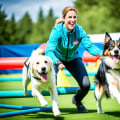
Bringing a new puppy into your home is an exciting and joyful experience. However, along with the cuddles and playtime, comes the essential task of potty training. This crucial aspect of Dog Training near John's Island SCDog Training near John's Island SC can often feel overwhelming for new pet owners. The good news is that with the right techniques and a bit of patience, you can turn this challenging phase into a successful journey for both you and your furry friend. In this article, we will explore essential tips for successful Dog Training near John's Island SC that are designed to make the process smoother and more efficient.
From understanding your puppy's natural instincts to implementing a consistent routine, these strategies will empower you to tackle potty training with confidence. Whether you're a first-time puppy parent or looking to reinforce good habits in an older dog, our insights are tailored to help you achieve lasting results. As you navigate through the world of house training, remember that every puppy is unique, and what works for one may not work for another. Therefore, we will also discuss how to adapt our tips to fit your specific situation. So, if you're ready to embark on this rewarding journey and create a harmonious living environment for you and your pet, read on for our expert recommendations!Potty training is a critical aspect of dog ownership that not only benefits the pet but also enhances the owner's quality of life.
Understanding that dogs are naturally inclined to keep their living spaces clean can help owners approach this process with empathy and patience. When dogs are properly potty trained, they experience increased freedom within the home, while owners enjoy reduced stress and mess. However, potty training can present several challenges. Many dog owners encounter issues such as frequent accidents indoors or difficulty recognizing their dog's cues. These challenges highlight the importance of effective strategies that can make the process smoother.
For example, one owner shared her experience with her puppy, who would often have accidents at night. After adjusting her schedule to take the puppy out more frequently before bedtime, she noticed a significant decrease in nighttime accidents. Understanding your dog's natural instincts is essential when embarking on the journey of potty training. Dogs have a natural tendency to eliminate away from their sleeping areas. By recognizing this instinct, you can create an environment that encourages them to seek appropriate places to relieve themselves.
Establishing a consistent routine is another key factor in successful potty training. Dogs thrive on predictability; taking them out at the same times each day helps reinforce the behavior you want to encourage. Recognizing signs that indicate your dog needs to go outside is crucial for effective potty training. Common cues include sniffing around, circling, whining, or heading toward the door. By being attentive to these behaviors, you can intervene promptly and guide your dog outside to reinforce good habits. There are various methods for potty training, including crate training, positive reinforcement, and outdoor versus indoor options.
Crate training leverages a dog's instinct to avoid soiling their sleeping area. By introducing your dog to a crate as a safe space and gradually extending the time they spend inside it, you can help them learn to hold their bladder until they are let outside. It’s important to ensure that the crate is not used as a form of punishment but as a nurturing environment. Positive reinforcement plays a significant role in potty training. When your dog eliminates outside, offering praise and treats reinforces this desired behavior.
Creating a reward system not only motivates your dog but also strengthens your bond with them. One owner recounted how her dog learned quickly by associating outdoor bathroom breaks with treats and enthusiastic praise. While outdoor options are often recommended for potty training, some owners may consider indoor solutions such as puppy pads or artificial grass patches. These methods can be useful in specific circumstances, such as living in an apartment or during inclement weather. However, transitioning from indoor to outdoor elimination may require additional steps and patience. Accidents are an inevitable part of the potty training process.
It’s essential for owners to remain calm when they occur; yelling or physical punishment can lead to fear and anxiety in dogs, making them less likely to succeed in their training. Instead, clean up accidents thoroughly to remove any lingering odors that might encourage repeat behavior in the same spot. Additionally, if you catch your dog in the act of having an accident indoors, interrupting them with a firm "no" and immediately taking them outside can help them associate outdoors with bathroom breaks. To correct undesirable behaviors without punishment, consider redirecting your dog’s attention or leading them outside when you notice signs they need to go. Consistency and patience are vital during this phase.
Sharing success stories from fellow pet owners can also provide motivation and reassurance during challenging moments. For instance, one family shared how their persistence paid off after weeks of consistent routines and encouragement led to their dog being fully potty trained within three months. Disagreements on training methods often arise among dog owners. Some may swear by traditional methods while others advocate for more modern approaches based on positive reinforcement and understanding canine behavior. Evidence-based practices suggest that positive reinforcement not only leads to more effective results but also fosters a healthier relationship between dogs and their owners.
Experts emphasize that there is no one-size-fits-all solution; what works for one dog may not work for another. Therefore, it’s important to remain flexible and open-minded when exploring different training techniques. Ultimately, successful potty training is achieved through a combination of understanding your dog’s instincts, establishing routines, recognizing cues, utilizing effective methods like crate training and positive reinforcement, dealing with accidents thoughtfully, and being willing to adapt your approach based on expert advice and personal experiences. With time and dedication, both dogs and their owners can enjoy the rewards of effective potty training.
Establishing a Potty Training Routine
Establishing a potty training routine is crucial for the success of your dog's training.Consistency
is key when it comes to feeding and bathroom schedules.By maintaining a regular feeding schedule, you can predict when your dog will need to go outside to relieve themselves. This predictability allows you to take them out at the right times, reducing accidents inside the house. Additionally, a consistent bathroom schedule helps your dog learn when and where they are expected to go. Taking your dog out at the same times each day will reinforce their understanding of the potty routine. For instance, after meals, play sessions, and first thing in the morning are all prime opportunities to establish this routine.
Remember, dogs thrive on routine, and by being consistent, you help them feel secure and understand what is expected of them. It's also important to note that every dog is different; some may need more frequent potty breaks than others. Pay attention to your dog's signals and adjust their schedule as needed. This tailored approach will contribute to a more effective potty training experience.
Understanding Your Dog's Needs
To effectively train your dog, it is essential to understand your dog's needs and instincts. Dogs are creatures of habit, and their natural behaviors significantly influence how they respond to potty training. Firstly, dogs have an instinctual desire to keep their living space clean.In the wild, they avoid soiling their den or sleeping area to prevent attracting predators. This behavior translates to domestic dogs as well; they prefer to eliminate away from where they eat and sleep. Recognizing this instinct can help you establish a designated potty area that encourages your dog to relieve themselves outside. Additionally, dogs communicate their needs through body language and behavior. Signs such as sniffing around, circling, or whining can indicate that your dog needs to go outside.
Understanding these signals is crucial for successful potty training. By paying attention to your dog's cues, you can promptly take them out, reinforcing the desired behavior and helping them learn when it is time to go. Moreover, different breeds may exhibit varying potty habits based on their size, energy levels, and temperament. For instance, small breeds may have smaller bladders and require more frequent bathroom breaks. On the other hand, larger breeds may take longer to develop bladder control.
Tailoring your training approach according to your dog's specific needs will enhance the effectiveness of your potty training efforts. By comprehending these fundamental aspects of canine behavior, you can create a supportive environment for your dog during the potty training process. This understanding will not only facilitate smoother training sessions but also strengthen the bond between you and your furry friend.
Methods of Potty Training
When it comes to potty training your dog, there are several effective methods that you can employ to ensure success. Each technique has its own advantages and can be chosen based on your dog's personality and your living situation.Crate training
is one of the most popular methods. This approach involves using a crate as a safe space for your dog, where they can feel secure.Dogs naturally avoid soiling their sleeping area, which helps them learn to hold it until they are let outside. It’s important to select a crate that is appropriately sized; too large may encourage accidents, while too small can cause discomfort. Another effective technique is outdoor training. This method involves taking your dog outside frequently, especially after meals, playtime, and naps. Establishing a consistent routine helps your dog understand when and where they are expected to relieve themselves.
Be sure to use praise and rewards immediately after they go outside to reinforce this behavior. If outdoor access is limited or if you live in an apartment, you might consider using indoor pads. These pads are designed to absorb moisture and can be placed in a designated area of your home. Start by introducing the pads and encouraging your dog to use them by taking them to the pads after meals or waking up. Gradually transition from the pads to outdoors as your dog becomes more accustomed to potty training. Each of these methods has its own set of challenges and benefits, but with patience and consistency, you can successfully train your dog to relieve itself in the appropriate places.
Positive Reinforcement Techniques
Positive reinforcement is a powerful tool in potty training your dog.By rewarding your pet for doing the right thing, you create a positive association with the behavior you want to encourage. This not only helps your dog learn faster but also strengthens the bond between you and your furry friend. When your dog successfully goes outside to relieve itself, immediately offer a reward such as treats, praise, or playtime. This reward should be given within seconds of the behavior to ensure that your dog understands what it is being rewarded for. The excitement in your voice and the joy in your actions will make the experience even more rewarding for them. It's important to choose rewards that are high-value for your dog.
Some dogs may respond better to tasty treats, while others may prefer a favorite toy or extra affection. Observe your dog's preferences and use those to motivate them during training sessions. Consistency is key when using positive reinforcement. Make sure that every time your dog goes potty outside, they receive a reward. This consistency will help reinforce the desired behavior and make it more likely that they will repeat it in the future. Additionally, be patient and understanding during this process.
Potty training can take time, and there may be accidents along the way. Instead of punishing your dog for mistakes, focus on rewarding them when they get it right. This approach not only fosters a positive learning environment but also helps prevent fear or anxiety associated with potty training.
Dealing with Accidents
Even with the best intentions and strategies, accidents are a natural part of the potty training process. When they happen, it’s crucial to remain calm and composed.Frustration can lead to negative reinforcement, which can hinder your dog's learning progress. Instead, consider these effective strategies for managing setbacks in potty training.First, it's important to understand why accidents occur. Often, they happen due to lack of supervision or a missed opportunity to take your dog outside. To minimize these incidents, establish a consistent schedule for potty breaks.
Take your dog out first thing in the morning, after meals, and before bedtime. This routine helps your pet learn when it’s time to go. When an accident does occur indoors, avoid scolding your dog. Instead, clean the area thoroughly with an enzymatic cleaner to eliminate odors that may encourage repeat behavior. If you catch your dog in the act, interrupt them with a firm but gentle 'no' and immediately take them outside to finish.
Reward them for doing their business outdoors to reinforce positive behavior. Another helpful strategy is to closely monitor your dog's behavior. Look for signs that they need to go, such as sniffing around or circling. When you notice these signs, take them outside promptly. Additionally, consider keeping a potty training journal to track progress and identify patterns or triggers that lead to accidents. Finally, remember that patience is key in the potty training journey.
Each dog learns at their own pace, and setbacks are part of the process. By remaining consistent and encouraging, you can help your furry friend master their potty training skills.
When to Seek Professional Help
While many dog owners can successfully potty train their pets using patience and consistency, there are instances when seeking professional help becomes essential.Potty training tips
can only take you so far, and recognizing the right moment to consult a dog trainer can make a significant difference in your dog's training journey. One of the first signs that indicate it may be time to seek professional assistance is if your dog continues to have frequent accidents indoors despite a consistent routine and training efforts. If you find yourself cleaning up messes multiple times a day, it might be an indication that your dog is struggling to grasp the concept of where to go. Another crucial sign to watch for is if your dog shows signs of anxiety or stress during potty training.This can manifest as reluctance to go outside, hiding, or exhibiting fearful behaviors. A professional trainer can help address these issues and provide tailored strategies to ease your dog's anxiety. If your puppy is older than six months and still not house-trained, it could suggest an underlying issue that needs expert evaluation. Professional trainers have the experience and knowledge to identify whether there are behavioral or health-related factors affecting your dog's potty habits. Lastly, if you're feeling overwhelmed by the process or unsure of how to proceed, don't hesitate to reach out for help. A qualified dog trainer can offer guidance, support, and effective techniques that will enhance your potty training efforts.
Understanding Your Dog's Needs
To successfully navigate the potty training journey, it is essential to understand your dog's needs and natural instincts.Dogs, like humans, have their own unique behaviors and habits that influence how they approach the concept of potty training. Recognizing these aspects can significantly enhance your training effectiveness. Firstly, dogs are instinctively driven by their need to maintain a clean living environment. In the wild, dogs will typically avoid soiling their sleeping area to prevent attracting predators. This instinct can be leveraged during potty training by providing your dog with a designated area for elimination that is separate from their living space. Additionally, understanding your dog's natural elimination patterns can help you establish a routine.
Most dogs will need to relieve themselves after waking up, eating, or playing. By observing these behaviors, you can anticipate when your dog needs to go outside and take them to the designated potty area promptly. Moreover, age plays a crucial role in your dog's potty training journey. Puppies have smaller bladders and less control compared to adult dogs, which means they will require more frequent bathroom breaks. Being aware of your puppy's specific needs based on their age will help you create a realistic and effective potty training schedule. Finally, positive reinforcement is vital in helping your dog associate going potty outside with praise and rewards.
Dogs are eager to please their owners, so using treats and affectionate words when they successfully use the designated area will encourage them to repeat the behavior. By considering these fundamental aspects of canine behavior and instinctual habits, you can create a supportive and understanding environment that facilitates successful potty training for your dog.
Understanding Your Dog's Needs
To successfully navigate the journey of potty training, it is essential to understand your dog's needs and instincts. Dogs are creatures of habit, and their natural behaviors play a significant role in how they learn to relieve themselves. Recognizing these instinctual habits can make the potty training process smoother for both you and your furry friend. Firstly, it’s important to note that dogs have a strong instinct to keep their living spaces clean. In the wild, canines avoid soiling their dens to prevent attracting predators and maintain hygiene.This natural tendency can be leveraged during potty training by establishing a consistent routine that encourages your dog to associate certain areas with relieving themselves. Another critical aspect of understanding your dog's needs is recognizing their body language and signals. Dogs often exhibit specific behaviors before they need to go out, such as sniffing around, circling, or whining. By paying attention to these signs, you can respond promptly and take your dog outside, reinforcing positive behavior and reducing accidents indoors. Moreover, every dog has its own unique personality and learning pace. While some dogs may quickly grasp the concept of potty training, others might take longer.
Patience and consistency are key when adapting your training methods to suit your dog's individual needs. Utilizing positive reinforcement, such as treats and praise when they successfully go outside, can motivate your dog to continue exhibiting desired behaviors. In summary, by understanding your dog's needs and instincts, you can create a tailored potty training plan that respects their natural tendencies and promotes successful outcomes. This foundational knowledge not only enhances the training experience but also strengthens the bond between you and your pet. In conclusion, successful dog potty training hinges on patience and consistency. Throughout this article, we've explored key aspects such as understanding your dog's needs, establishing a reliable potty training routine, various methods of potty training, the importance of positive reinforcement techniques, how to deal with accidents, and when to seek professional help.
Each of these elements plays a crucial role in making the process smoother for both you and your furry friend. It’s essential to remain positive and persistent in your efforts. Every dog learns at their own pace, and celebrating small victories can make a significant difference. If you encounter challenges that feel overwhelming, remember that seeking professional help can provide valuable guidance and support. By staying committed to your training plan and being understanding of your dog's journey, you can achieve success in potty training.