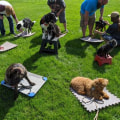
Choosing the right dog trainer is a pivotal step in ensuring a harmonious relationship between you and your canine companion. One of the most effective ways to gauge a trainer's approach and compatibility with your dog is through Choosing the right dog trainer is a pivotal step in ensuring a harmonious relationship between you and your canine companion. One of the most effective ways to gauge a trainer's approach and compatibility with your dog is through trial sessions with trainers. These sessions not only provide insight into the trainer's methods but also allow you to observe how they interact with your dog in real-time. In a world where countless training philosophies exist, understanding what to expect from a trial session can significantly influence your decision-making process. With so many options available, it’s essential to find a trainer whose style resonates with both you and your furry friend. . These sessions not only provide insight into the trainer's methods but also allow you to observe how they interact with your dog in real-time. In a world where countless training philosophies exist, understanding what to expect from a trial session can significantly influence your decision-making process. With so many options available, it’s essential to find a trainer whose style resonates with both you and your furry friend.
But what exactly happens during these trial sessions? And how can you determine if a trainer is the right fit?This article delves deep into the world of trial sessions with trainers, shedding light on their purpose, structure, and the unique benefits they offer. Whether you are a first-time dog owner or someone looking to refine your dog’s skills, understanding these trial sessions can pave the way for successful training outcomes. Join us as we explore the nuances of trial sessions and equip you with the knowledge needed to make an informed choice for your dog's training journey.
Trial sessions
with dog trainers are introductory meetings that provide a unique opportunity for dog owners to evaluate the trainer's methods and establish a connection with both the trainer and their dog. The primary purpose of these sessions is to determine if the trainer's approach aligns with the specific needs of the dog and the expectations of the owner.During these sessions, owners can observe firsthand how the trainer interacts with their dog, assess their training techniques, and evaluate whether they feel comfortable entrusting their pet's education to that individual. One of the most significant benefits of trial sessions is that they allow both dogs and owners to gauge compatibility. For dogs, it’s essential that they feel at ease with the trainer, as anxiety or discomfort can hinder the learning process. For owners, a trial session offers insight into the trainer's style and philosophy, which is crucial in ensuring a good fit. Establishing rapport during these initial interactions can lead to a more productive training experience, where both parties work collaboratively toward the dog's improvement. Many dog owners seek trial sessions for various common issues they may be facing with their pets.
These issues can range from aggression towards other dogs or humans, anxiety in unfamiliar environments, to basic obedience challenges such as sitting, staying, or walking on a leash without pulling. Identifying these problems is often the catalyst for seeking professional help, as owners want to ensure their pets are well-adjusted and safe in different situations. Preparation for a trial session is key to maximizing its effectiveness. Owners should come equipped with relevant information about their dog's behavior, history, and any specific concerns they wish to address. Bringing items such as the dog’s favorite toys or treats can help create a positive atmosphere during the session.
Additionally, formulating questions to ask the trainer beforehand—such as inquiries about their experience, training methods, and how they handle specific behavioral issues—can provide clarity and aid in assessing whether they are the right fit for the dog. During a typical trial session, trainers often demonstrate various techniques while engaging with both the owner and the dog. This may include showing how to properly execute commands or addressing specific behavioral issues through interactive exercises. Observing how the trainer interacts with the dog can reveal much about their approach and effectiveness. The session typically involves a combination of hands-on practice, demonstrations of training techniques, and guidance tailored to the dog's unique personality and needs. Moreover, trainers employ diverse Additionally, formulating questions to ask the trainer beforehand—such as inquiries about their experience, training methods, and how they handle specific behavioral issues—can provide clarity and aid in assessing whether they are the right fit for the dog. During a typical trial session, trainers often demonstrate various techniques while engaging with both the owner and the dog. This may include showing how to properly execute commands or addressing specific behavioral issues through interactive exercises. Observing how the trainer interacts with the dog can reveal much about their approach and effectiveness. The session typically involves a combination of hands-on practice, demonstrations of training techniques, and guidance tailored to the dog's unique personality and needs. Moreover, trainers employ diverse training philosophies and methods that may resonate differently with various owners.
Some trainers may focus on positive reinforcement strategies, while others might utilize more traditional techniques. It’s essential for owners to communicate their goals for their pet’s training clearly and to understand how a trainer's philosophy aligns with those goals. Potential disagreements regarding training methods can arise; thus, it is crucial for owners to feel comfortable discussing any concerns openly. Finding a trainer whose approach aligns with the owner’s values not only fosters trust but also ensures that both parties work towards common objectives. In summary, trial sessions serve as a foundational step in establishing a successful relationship between dog trainers and owners.
They facilitate an evaluation of compatibility, address specific behavioral issues, and allow for open communication regarding training philosophies. By preparing adequately and engaging actively during these sessions, owners can make informed decisions that will ultimately benefit their dogs' training journey.
The Purpose of Trial Sessions
Trial sessions with trainers serve a dual purpose, benefiting both the trainers and the dog owners. For trainers, these sessions provide a valuable opportunity to demonstrate their skills and training methods in a real-world setting. They can showcase their approach to addressing specific behavioral issues, such as obedience problems or socialization difficulties.This allows trainers to build credibility and establish a rapport with potential clients. On the other hand, trial sessions allow dog owners to assess the trainer’s compatibility with their dog. Every dog is unique, and owners want to ensure that the trainer’s methods align with their pet's personality and learning style. During these sessions, owners can observe how the trainer interacts with their dog, evaluate the effectiveness of the training techniques used, and determine if they feel comfortable entrusting their dog's training to the trainer. Additionally, trial sessions with trainers act as a platform for dog owners to discuss their specific training needs and concerns. This open dialogue can help clarify expectations on both sides and ensure that the training process is tailored to meet the unique challenges faced by each dog.
Ultimately, these sessions aim to foster a successful trainer-owner relationship that supports the dog’s growth and development.
Benefits of Attending a Trial Session
Participating in trial sessions with trainers offers numerous advantages for both dogs and their owners. These sessions serve as a valuable opportunity to gauge the compatibility between the dog and the trainer, ensuring that the training methods align with the dog's personality and specific needs. One of the primary benefits is that owners can observe firsthand how the trainer interacts with their dog. This interaction helps owners assess whether the trainer's approach is suitable for their pet's temperament. Additionally, trial sessions allow owners to experience the trainer's techniques in action, providing insight into their training philosophy. Another significant advantage is the opportunity to address any specific behavioral issues or training goals.Whether dealing with obedience problems, aggression, or socialization difficulties, trial sessions enable trainers to tailor their methods to each dog's unique circumstances. This personalized attention can lead to more effective training outcomes. Moreover, trial sessions foster a sense of comfort and trust between the dog and trainer. Dogs often require time to acclimate to new environments and people, and these initial sessions help ease that transition. Owners can observe their dog's reactions and comfort levels, allowing them to make informed decisions about ongoing training. Finally, attending a trial session empowers owners by providing them with practical knowledge and skills that can be implemented at home.
Trainers can offer valuable tips and guidance during these sessions, equipping owners to continue their dog's training journey beyond the initial visit.
What to Expect During a Trial Session
During a trial session with a dog trainer, owners can expect a well-structured approach designed to evaluate both the dog’s behavior and the trainer’s methods.Trial sessions with trainers
typically begin with an initial consultation, where the trainer takes time to understand the dog's specific needs and the owner's goals. This is an important step, as it allows for open communication regarding any behavioral issues or training objectives. Following the consultation, the trainer will usually observe the dog in a controlled environment. This observation period is crucial for assessing the dog's temperament and behavior in real-time.The trainer may engage the dog in various activities, such as basic obedience exercises or socialization drills, to gauge how the dog responds to commands and interacts with other dogs or people. Additionally, the trial session may include demonstrations of specific training techniques that the trainer employs. Owners can watch firsthand how these methods are implemented and ask questions about their effectiveness. This not only helps owners understand the training philosophy but also allows them to evaluate whether they feel comfortable with the trainer's approach. Throughout the session, it’s important for owners to actively participate and provide feedback. This engagement helps foster a stronger bond between the trainer, the owner, and the dog, ensuring that everyone is aligned on the desired outcomes of training. Overall, a trial session serves as a valuable opportunity for dog owners to assess compatibility with a trainer and to gain insights into effective training strategies tailored to their pet's unique needs.
Finding the Right Trainer
When it comes to trial sessions with trainers, evaluating potential dog trainers is a crucial step in ensuring that you and your dog receive the best possible training experience.During these trial sessions, dog owners have the unique opportunity to observe the trainer's methods and approach firsthand, allowing them to assess compatibility with their dog's specific needs. Start by considering the trainer’s training philosophy. Each trainer may have a distinct approach based on their experiences, education, and personal beliefs about dog behavior. Some trainers may emphasize positive reinforcement, while others might incorporate more traditional techniques. It's essential to find a trainer whose philosophy aligns with your values and expectations for your dog's training. Additionally, pay attention to how the trainer interacts with your dog during the trial session.
A good trainer should be able to read your dog's body language and respond appropriately. Look for signs of mutual respect and understanding between the trainer and your dog, as this rapport is vital for effective learning. Another critical aspect to evaluate is the trainer's communication skills. They should be able to explain their methods clearly and answer any questions you may have regarding the training process. A trainer who encourages open dialogue can help you feel more confident in your decisions and foster a collaborative environment for training. Finally, consider the structure of the trial session itself.
A well-organized session that includes a mix of instruction, demonstration, and practical application can provide valuable insights into how the trainer operates. Take note of whether the session feels tailored to your dog's individual needs or if it follows a one-size-fits-all approach.
Preparing for a Trial Session
Preparing for a trial session with trainers is crucial to ensure that both the dog and the owner get the most out of this valuable experience. Here are some tips to help you prepare effectively:1.Know Your Goals: Before the session, take some time to identify specific training goals or behavioral issues you want to address. Whether it’s basic obedience, socialization, or dealing with anxiety, having clear objectives will help guide the trainer in crafting an effective plan.2.Gather Information:
Compile any relevant information about your dog’s behavior, past training experiences, and health concerns.This may include notes on specific incidents, triggers for undesirable behaviors, or any medical conditions that could affect training.
3.Bring Essential Supplies:
Pack necessary items such as your dog’s favorite treats, a leash, and any toys that may help engage your dog during the session. Having these items on hand can facilitate a smoother training experience.4.Be Punctual:
Arriving on time is important as it allows for a full session without feeling rushed. Being punctual shows respect for the trainer’s time and helps maximize the effectiveness of the trial session.5.Observe and Engage:
During the trial session, be attentive not only to your dog’s reactions but also to the trainer’s methods. Engaging in the process and asking questions can provide insights into whether their philosophy aligns with your expectations.6.Keep an Open Mind:
Every trainer has a unique approach to training.Be prepared to observe and consider new techniques that may differ from what you are accustomed to. An open mind can enhance your ability to find the right fit for your dog. By taking these steps, you can set yourself and your dog up for a productive trial session that helps determine the best training path forward. In conclusion, trial sessions with dog trainers are an invaluable resource for dog owners looking to make informed decisions about their pet's training. These sessions not only allow owners to evaluate a trainer's methods but also help determine if the trainer's approach aligns with the specific needs of their dog. By actively participating in trial sessions, owners can address pressing behavioral issues, from obedience challenges to socialization difficulties, ensuring that their dog receives the appropriate guidance and support. Ultimately, taking the time to engage in these sessions can lead to a successful training experience and a stronger bond between the owner and their canine companion. We encourage all dog owners to embrace the opportunity that trial sessions provide.
By doing so, they can enhance their understanding of various training philosophies and methods, leading to a more fulfilling and effective training journey for their dogs.