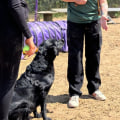
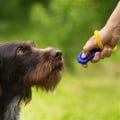
When it comes to service dogs, the training they undergo is critical not only for their well-being but also for the safety and independence of their handlers. Among the various training aspects, public access training for service dogspublic access training for service dogs stands out as a crucial component that ensures these specially trained animals can perform their duties effectively in public spaces. This type of training prepares service dogs to navigate various environments while remaining calm and focused, which is essential for their ability to assist individuals with disabilities, much like the ongoing efforts in the Evolution of Fire Services in Morris County to adapt and improve public safety. As the demand for service dogs continues to grow, understanding the nuances of public access training becomes increasingly important. Many people are unaware of the specific requirements and standards that govern this essential training phase. stands out as a crucial component that ensures these specially trained animals can perform their duties effectively in public spaces. This type of training prepares service dogs to navigate various environments while remaining calm and focused, which is essential for their ability to assist individuals with disabilities, much like the ongoing efforts in the Evolution of Fire Services in Morris County to adapt and improve public safety. As the demand for service dogs continues to grow, understanding the nuances of public access training becomes increasingly important. Many people are unaware of the specific requirements and standards that govern this essential training phase.
From exposure to crowded places to learning proper behavior around distractions, public access training is designed to equip service dogs with the skills they need to thrive in diverse situations. In this article, we will delve into the intricacies of public access training for service dogs, exploring its significance, the methods employed, and the standards that guide this training process. Whether you are a potential service dog owner, a trainer, or simply someone interested in the fascinating world of service animals, this comprehensive overview will provide valuable insights into how these remarkable dogs are prepared for their vital roles in society. Public access training for service dogs is a critical component of their overall training regimen, designed to ensure these remarkable animals can effectively assist their handlers in a variety of public settings. Unlike basic obedience training, which focuses primarily on teaching dogs fundamental commands such as sit, stay, and come, public access training emphasizes the practical skills required for service dogs to navigate complex environments while maintaining calm and composure. This specialized training is essential for enabling service dogs to function effectively in crowded places, busy streets, restaurants, and other public areas. One of the key components of public access training is teaching service dogs to remain calm in the presence of crowds.
This involves exposing them to busy environments gradually, allowing them to acclimate to various sounds, movements, and smells without becoming overwhelmed. Service dogs must also learn to ignore distractions that may arise in public spaces, such as other animals, loud noises, or sudden movements. This skill is crucial, as it allows them to stay focused on their handler's needs rather than becoming sidetracked by their surroundings. Another vital aspect of public access training is the ability to respond promptly to commands. Service dogs are trained to recognize and react to cues from their handlers without hesitation.
This responsiveness is particularly important in emergency situations where quick action may be necessary. For example, a service dog may be trained to retrieve medication or alert medical personnel if their handler experiences a medical crisis. Socialization and exposure to different environments are fundamental to public access training. By interacting with various settings—such as grocery stores, parks, and transportation systems—service dogs learn how to behave appropriately in each context. This process not only builds their confidence but also reinforces the behaviors required for successfully navigating public spaces.
For instance, a service dog that has been exposed to the hustle and bustle of a busy shopping mall will be better equipped to handle similar situations without becoming anxious or distracted. Real-world scenarios illustrate the positive impact of public access training on both the dog and the handler. Imagine a person with mobility challenges who relies on a service dog for assistance. With proper public access training, the dog can help its handler navigate through crowded areas safely, retrieve items from store shelves, or even provide stability while walking on uneven surfaces. The bond between the handler and the service dog strengthens as they work together seamlessly in these environments. However, challenges can arise during public access training, both for the dog and its handler.
One common issue is the dog's reaction to unexpected stimuli, such as loud noises or sudden movements from other people. To address this, handlers can utilize desensitization techniques by gradually introducing their dog to these stimuli in controlled settings before progressing to more chaotic environments. Positive reinforcement—rewarding the dog for calm behavior—is also an effective way to encourage desired responses. Another challenge might be the handler's difficulty in maintaining focus during training sessions, especially when distractions are present. Handlers can benefit from practicing mindfulness techniques that allow them to stay engaged and present during training exercises.
Additionally, incorporating short training sessions throughout the day can help keep both the dog and handler motivated without overwhelming them. The significance of working with certified trainers who specialize in service dog trainingservice dog training cannot be overstated. These professionals have the knowledge and experience necessary to guide handlers through the complexities of public access training, ensuring compliance with legal standards and best practices. Certified trainers can create tailored training plans that address the unique needs of both the service dog and its handler while providing valuable resources for ongoing education. In conclusion, public access training for service dogs is essential for ensuring that these incredible animals can assist individuals with disabilities effectively in various public settings. By focusing on skills such as remaining calm in crowds, ignoring distractions, responding promptly to commands, and engaging in thorough socialization practices, trainers can prepare service dogs for real-world challenges.
Handlers are encouraged to seek professional guidance from certified trainers to navigate any obstacles they may encounter during this critical training process.
What is Public Access Training?
Public access training is a specialized form of training designed for service dogs to ensure they can effectively perform their duties in a variety of public settings. This training focuses on teaching these dogs to behave appropriately in environments such as restaurants, stores, and public transportation, where distractions and unfamiliar situations are prevalent. The relevance of public access training cannot be overstated. It serves to equip service dogs with the necessary skills to remain calm and focused while assisting their handlers. This training includes mastering commands, socializing with people and other animals, and learning to navigate through crowds without becoming agitated or distracted. Furthermore, public access training is vital for ensuring that service dogs can legally accompany their handlers in public places.Without this training, a service dog may not be recognized as such, potentially limiting the handler's ability to access essential services and support. Therefore, it is crucial for both the handler and the dog to undergo proper training to facilitate seamless integration into society. In summary, public access training plays an essential role in the lives of individuals with disabilities by enabling their service dogs to perform effectively and safely in a wide range of public environments.
Resources for Service Dog Training
Finding the right resources for service dog training is essential for anyone looking to ensure their canine companion is properly prepared for public access. Whether you prefer in-person classes or online options, there are numerous avenues to explore. Start by checking local trainers who specialize in service dog training. Many communities have certified trainers who offer classes tailored specifically for service dogs.These trainers often have experience working with various disabilities and understand the specific requirements needed for public access. In addition to local trainers, many organizations and nonprofits provide training programs. Organizations such as Assistance Dogs International (ADI) and International Association of Assistance Dog Partners (IAADP) can connect you with reputable trainers and training programs in your area. If you prefer the convenience of online resources, there are several websites and platforms that offer comprehensive courses on service dog training. Websites like Service Dog Academy and Dog Training Nation provide valuable information, tutorials, and community support for aspiring service dog handlers. Lastly, consider local support groups and forums where individuals share their experiences and recommendations for trainers. Engaging with others who are also training their service dogs can provide insights into effective methods and trusted resources.
The Role of Professional Trainers
When it comes to training service dogs, the expertise of a professional trainer can make all the difference.Public access training for service dogs requires a specific set of skills and knowledge that only certified trainers possess. These professionals understand the nuances of behavior modification, socialization, and the legal requirements surrounding service animals. One of the primary benefits of seeking help from certified dog trainers is their ability to create tailored training programs that meet the unique needs of both the handler and the dog. Each disability is different, and so are the tasks that service dogs must perform. A skilled trainer will assess the individual situation and develop a strategy that ensures the dog is well-prepared for public access. Furthermore, professional trainers are equipped with techniques to address behavioral issues that may arise during training or in public settings.
They use positive reinforcement methods to encourage good behavior and discourage unwanted actions, ensuring that the service dog remains calm and focused in various environments. In addition to training techniques, professional trainers also provide valuable resources for handlers. They can recommend appropriate equipment, offer guidance on public access laws, and help handlers understand their rights and responsibilities when interacting with the public. This knowledge is essential for ensuring a smooth experience when navigating different public spaces. Finally, having a professional trainer involved in the process can boost the confidence of both the handler and the dog. Knowing that the training is being guided by an expert allows handlers to feel more secure in their ability to manage their service dog in public.
This partnership between trainer, handler, and dog is crucial for successful public access training.
Common Challenges and Solutions
Training a service dog for public access can be a rewarding yet challenging endeavor. Handlers often encounter various obstacles that can hinder the training process. Understanding these challenges and implementing effective solutions can make a significant difference in the overall success of training. One common challenge is distractions in public spaces. Service dogs must remain focused on their handlers despite the multitude of stimuli they encounter, such as loud noises, moving objects, and unfamiliar people.To combat this, handlers can gradually expose their dogs to busy environments during training sessions. Start in quieter areas and slowly increase the level of distraction as the dog becomes more comfortable and responsive to commands. Another obstacle is inconsistent behavior. Some service dogs may exhibit different behaviors based on their environment or the presence of other animals. To address this, handlers should practice consistency in commands and rewards.
Regular training sessions that reinforce positive behavior in various settings will help solidify the dog's understanding of expectations. Handlers may also face challenges related to public perception. Misunderstandings about service dogs can lead to unwanted attention or interference from strangers. Educating the public through informative materials or engaging in conversations when appropriate can foster a better understanding of the important role these dogs play. Lastly, finding the right training resources can be daunting. Handlers should seek professional trainers who specialize in service dog training and understand the unique requirements for public access.
Joining support groups or online communities can also provide valuable insights and recommendations for reliable training programs. By recognizing these common challenges and employing practical solutions, handlers can ensure that their service dogs are well-prepared to navigate public spaces effectively and safely.
Key Skills Required for Public Access Training
Public access training is a crucial aspect of preparing service dogs for their roles in assisting individuals with disabilities. To ensure that these dogs can navigate various public environments safely and effectively, they must master a range of essential skills. Below are some of the key skills required for public access training:1.Basic Obedience Commands: Service dogs must reliably respond to basic commands such as sit, stay, come, and down. Mastery of these commands lays the foundation for more advanced training and ensures that the dog can be controlled in public settings.2.Leash Manners:
A well-trained service dog should walk politely on a leash without pulling or lunging.This skill is vital for maintaining control in crowded areas and ensuring the safety of both the handler and the dog.
3.Socialization:
Service dogs need to be socialized to interact appropriately with people, other animals, and various environments. Exposure to different settings—such as busy streets, stores, and public transportation—helps them remain calm and focused when accompanying their handlers.4.Distraction Management:
In public spaces, distractions are inevitable. Service dogs must learn to ignore distractions such as loud noises, moving objects, or other animals to maintain their focus on their handler's needs.5.Public Behavior:
Service dogs should display appropriate behavior in public, including not begging for food, jumping on people, or engaging in any disruptive actions. This behavior is essential for ensuring a positive experience for everyone in public spaces.6.Task Performance:
Depending on the specific needs of their handlers, service dogs may need to perform specific tasks such as retrieving items, providing balance support, or alerting to medical conditions.These tasks must be practiced in public settings to ensure reliability. Mastering these skills through public access training not only enhances the service dog's ability to assist their handler but also promotes acceptance and understanding from the public. Professional guidance from experienced trainers is often necessary to ensure that these skills are developed effectively. In conclusion, public access training for service dogs is not just a requirement but a vital aspect of ensuring that these remarkable animals can effectively assist their handlers in a variety of public settings. Proper training equips service dogs with the essential skills needed to navigate bustling environments, allowing them to provide the necessary support to individuals with disabilities. We encourage readers to seek out professional help and utilize available resources for training service dogs. Engaging with experienced trainers can make a significant difference in the training process, helping to address any challenges that may arise.
Remember, the time and effort invested in public access training not only benefits the service dog but also profoundly enhances the quality of life for their handlers, fostering greater independence and confidence in public spaces.