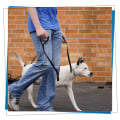
In a world that often overlooks the challenges faced by individuals with visual impairments, guide dogs for the visually impaired emerge as remarkable companions, offering not just mobility but also independence and confidence. These specially trained service animals play a pivotal role in enhancing the dog health of their handlers, transforming the way they navigate their surroundings and interact with the world. As we delve into the profound impact of emerge as remarkable companions, offering not just mobility but also independence and confidence. These specially trained service animals play a pivotal role in enhancing the dog health of their handlers, transforming the way they navigate their surroundings and interact with the world. As we delve into the profound impact of service dogsservice dogs on the lives of those with vision loss, it is essential to understand not only their training and capabilities but also the deep bond that forms between the dog and its handler. This article aims to illuminate the multifaceted role of guide dogs for the visually impaired, exploring how they are trained to assist in daily tasks, navigate obstacles, and provide companionship. We will uncover the various breeds commonly used as service dogs, their unique qualities, and the rigorous training process they undergo to ensure they can safely guide their partners.
Additionally, we will discuss the emotional benefits that these canine companions bring, fostering a sense of security and companionship that is invaluable to those with visual impairments. Join us as we embark on this enlightening journey to understand the vital role of service dogs in supporting visually impaired individuals, shedding light on a topic that deserves greater recognition and appreciation. Whether you are a dog lover, a supporter of disability rights, or simply curious about the incredible capabilities of these animals, there is much to learn and appreciate about the world of guide dogs. For individuals who are visually impaired, navigating the world can pose significant challenges. The absence of sight makes it difficult to assess surroundings, cross streets safely, and maintain a sense of independence.
Guide dogs for the visually impaired
play a crucial role in enhancing mobility and fostering independence for their handlers.These specially trained canines are not just pets; they are reliable companions that assist in daily activities, helping their owners avoid obstacles, navigate unfamiliar environments, and ultimately gain confidence in their ability to travel alone. The specific needs of visually impaired individuals vary widely. Some may have partial vision, while others may be completely blind. Regardless of the level of impairment, the need for safe navigation and assistance remains constant.
Service dogs
, particularly guide dogs, are trained to meet these needs by providing support and ensuring their handlers can move freely without fear of injury or disorientation. The process of training guide dogs is both intricate and demanding.It begins with selecting suitable breeds known for their intelligence, temperament, and ability to focus. Breeds such as Labrador Retrievers, Golden Retrievers, and German Shepherds are often favored due to their friendly nature and eagerness to work. Once selected, these dogs undergo early socialization to expose them to various environments, sounds, and experiences that they will encounter while working with their visually impaired handlers. During training, guide dogs learn specialized skills that are critical for assisting their handlers. This includes learning to stop at curbs, navigate around obstacles, and recognize specific commands that direct them.
The importance of professional training cannot be overstated; it ensures that the dogs develop the necessary skills to perform their duties reliably and safely. Trainers play a pivotal role throughout this process. They not only teach the dogs essential commands but also assess each dog's progress and adaptability to different situations. One common challenge faced in training guide dogs is ensuring that they remain calm and focused in distracting environments. Trainers address this by gradually introducing the dogs to busy areas, reinforcing positive behaviors, and using rewards to encourage focus. Many visually impaired individuals have shared their transformative experiences with guide dogs.
One individual recounted how their guide dog opened up a world of independence they had never experienced before. With their canine companion by their side, they could confidently navigate public transport and explore new neighborhoods without fear. Such testimonials highlight the profound impact that these animals have on the lives of those they assist. The collaboration between trainers, handlers, and organizations dedicated to service dog training is vital for the success of this partnership. Organizations often provide resources, support, and community for both trainers and handlers to ensure ongoing success in the working relationship between dog and owner.
This collaborative effort is essential in fostering mutual understanding and trust between all parties involved. Ethical considerations also play a significant role in the training and working with service dogs. It is crucial to ensure that the dogs are treated humanely throughout their training process and that they are placed with handlers who genuinely require assistance. Organizations must adhere to strict ethical guidelines to ensure the well-being of the dogs while also meeting the needs of visually impaired individuals. In conclusion, guide dogs for the visually impaired serve an invaluable purpose by enhancing mobility, independence, and overall quality of life for those who rely on them. Through professional training, dedicated trainers, and a strong support network, these remarkable animals become essential partners for their handlers.
The Role of Professional Trainers
Professional trainers play a crucial role in the development of effective partnerships between guide dogs and their visually impaired handlers.They are responsible for teaching both the dogs and their human partners how to communicate effectively, ensuring a seamless interaction that fosters independence and mobility. Training begins with selecting the right dog based on temperament, energy levels, and adaptability. Once a suitable candidate is chosen, trainers implement a structured training program tailored to the specific needs of the dog and the expected tasks it will perform. This includes teaching essential commands, navigation skills, and social behaviors that allow the dog to function safely in various environments. In addition to training the dogs, professional trainers also focus on educating handlers. This involves teaching them how to work with their guide dogs, understanding the dog's cues, and developing trust in their partnership.
Handlers learn how to give commands, interpret their dog’s body language, and handle various situations they may encounter in daily life. Furthermore, trainers provide ongoing support and assessment to ensure that the partnership remains strong as both the dog and handler grow together. They may organize follow-up sessions to address any challenges that arise and refine skills as necessary. By fostering this collaborative relationship, professional trainers ensure that visually impaired individuals can navigate their environments with confidence and safety.
The Importance of Guide Dogs
Guide dogs play a crucial role in the lives of individuals with visual impairments, providing essential mobility assistance and companionship. These specially trained animals help their handlers navigate the world more safely and confidently, allowing them to maintain their independence and participate fully in daily activities. One of the primary functions of guide dogs is to assist with mobility.They are trained to recognize and avoid obstacles, navigate traffic, and guide their handlers around various environments, whether it be bustling city streets or quiet park paths. This support not only enhances physical mobility but also significantly boosts the confidence of visually impaired individuals, empowering them to explore their surroundings without fear. Moreover, guide dogs offer emotional support and companionship that can greatly enrich the lives of their handlers. The bond between a guide dog and its owner goes beyond mere functionality; it fosters a sense of connection and belonging. This companionship can alleviate feelings of isolation and loneliness that often accompany visual impairments. In conclusion, the importance of guide dogs extends far beyond physical assistance.
They play an integral role in enhancing the mobility, independence, and emotional well-being of individuals with visual impairments, making them invaluable partners in navigating life’s challenges.
Real-Life Impact of Guide Dogs
Many visually impaired individuals have experienced profound transformations in their daily lives thanks to guide dogs. These remarkable animals not only provide physical support but also emotional companionship, allowing their handlers to navigate the world with confidence and independence. For instance, Sarah, a 32-year-old woman who lost her sight in her twenties, shares her journey with her guide dog, Max. Before Max, Sarah often felt isolated and hesitant to explore her surroundings. With Max by her side, she describes feeling a newfound sense of freedom: "I can walk to the grocery store or visit friends without worrying about getting lost.Max knows the way and keeps me safe. He’s not just my guide; he’s my best friend."Similarly, John, a retired veteran who became visually impaired due to an injury, speaks highly of his guide dog, Bella. He notes that Bella has not only restored his ability to move around freely but has also significantly improved his mental health. "Having Bella gives me purpose.
I feel less anxious and more connected to the community. She helps me engage with others and live my life fully again," he explains. These personal stories highlight the vital role that guide dogs play in enhancing the mobility and independence of visually impaired individuals. They are not just assistance animals; they embody hope and resilience for many people facing the challenges of visual impairment.
Overcoming Training Challenges
Training guide dogs for the visually impaired presents several unique challenges that trainers and handlers must navigate. Understanding these challenges is crucial to ensuring that these dogs can effectively assist their handlers in navigating the world with confidence and independence. One common challenge is the dog's natural instincts and behaviors.Many dogs have a strong prey drive or may be easily distracted by their environment. To address this, trainers utilize positive reinforcement techniques that reward desired behaviors while gradually exposing the dog to various distractions. This helps the dog learn to focus on their handler despite potential distractions. Another significant hurdle is the dog's socialization process. Guide dogs must be comfortable in a variety of environments and situations, including busy streets, public transportation, and crowded places.
Trainers often expose the dogs to different settings during their training to build their confidence and adaptability. This gradual exposure helps them learn how to remain calm and focused in potentially overwhelming situations. Additionally, handlers may face their own challenges in learning to work effectively with their guide dogs. It is essential for handlers to establish a strong bond with their dog and understand the commands and cues that are part of their training. Regular practice and communication with trainers can help handlers become more proficient in guiding their dogs, ensuring a successful partnership. Lastly, there may be misconceptions about the training process itself.
Some individuals may believe that once a dog has completed training, they will automatically know how to perform all tasks required of them. In reality, ongoing training and reinforcement are necessary throughout the dog's working life. Consistent practice and positive reinforcement help maintain the skills learned during formal training. By recognizing these challenges and employing effective strategies to address them, trainers and handlers can work together to ensure that guide dogs for the visually impaired fulfill their vital role in enhancing mobility and independence for those who rely on them.
Training Process for Guide Dogs
The training process for guide dogs is a comprehensive and meticulously structured journey that begins well before these dogs ever meet their future handlers. It starts with puppy selection, where potential candidates are evaluated for temperament, health, and socialization skills.Generally, breeds such as Labrador Retrievers, Golden Retrievers, and German Shepherds are favored due to their intelligence and trainability. Once suitable puppies are selected, they enter a socialization phase. During this phase, they are exposed to various environments, sounds, and experiences to help them develop confidence and adaptability. This exposure is crucial as it prepares them for the diverse situations they will encounter while assisting visually impaired individuals. Following socialization, the dogs undergo basic obedience training. This training instills essential commands and behaviors such as sit, stay, come, and heel.
A solid foundation in obedience is vital as it ensures that the dog can respond reliably to their handler's commands. After mastering basic obedience, the guide dogs progress to more advanced training focused on navigation skills. Trainers teach the dogs to recognize obstacles, navigate public spaces, and follow specific routes. This phase includes teaching the dog to stop at curbs, avoid hazards, and respond to directional commands given by their handlers. Throughout the training process, trainers use positive reinforcement methods to encourage desired behaviors. This approach fosters a strong bond between the dog and trainer while ensuring that the dog associates learning with rewards. The final stage involves pairing the trained guide dog with a visually impaired handler.
This pairing process includes an intensive training period where both the dog and handler learn to work together effectively. Handlers are educated on how to communicate with their new guide dog and how to trust their instincts during navigation. In summary, the journey of a guide dog's training is an extensive process that transforms a playful puppy into a skilled partner capable of enhancing mobility and independence for visually impaired individuals. In conclusion, we have explored the vital role that guide dogs for the visually impaired play in enhancing the mobility and independence of individuals facing visual challenges. These specially trained animals not only assist their handlers in navigating their environments safely but also provide emotional support and companionship. The training process for guide dogs is rigorous and requires the expertise of professional trainers who are dedicated to ensuring that these animals can perform their duties effectively. We have also discussed the various challenges that can arise during training and how overcoming these hurdles is essential for the success of the partnership between the dog and its handler. Ultimately, the impact of guide dogs extends beyond just physical assistance; they foster a sense of confidence and freedom for those they serve.
As we move forward, it is crucial to recognize the significance of supporting service dog training initiatives. Whether you are considering training your own service dog or simply want to contribute to organizations that specialize in this field, your involvement can make a difference in the lives of many. Let us all be advocates for these remarkable animals and the individuals they assist, ensuring a future where guide dogs for the visually impaired continue to thrive and support independence.