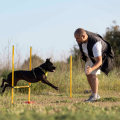
In the world of dog training, achieving a well-behaved companion requires more than just basic commands; it involves understanding Distraction Training, a technique designed to enhance your dog's focus amidst distractions. Whether it’s the sound of a passing car, the sight of another dog, or even enticing smells wafting through the air, mastering Distraction Training can help your dog remain obedient and attentive in any situation. This advanced training method is not only crucial for ensuring that your furry friend listens to you in various environments, but it also fosters a deeper bond between you and your dog. As we delve into the intricacies of Distraction Training, you will discover how it can transform your dog’s behavior and enhance their overall learning experience. Join us as we explore practical strategies, tips, and insights that will equip you with the tools necessary to implement effective Distraction Training. By the end of this article, you will have a comprehensive understanding of how to navigate the challenges of distractions, ensuring that your dog remains focused and engaged, no matter the circumstances.
Get ready to take your obedience training to the next level!Distraction training is a pivotal technique in dog training that aims to enhance a dog's ability to maintain focus amidst various distractions. This training method is crucial for ensuring that dogs not only respond to commands but also exhibit good behavior in environments where their attention might waver. The foundational principle of distraction training lies in gradually exposing dogs to different stimuli, teaching them to prioritize their owner's commands over distractions. When implementing distraction training, it’s important to recognize common scenarios that can challenge a dog's focus. For instance, many owners experience difficulties when their dogs pull on the leash during walks or become overly excited and jump on guests.
Additionally, dogs may sometimes ignore commands when they encounter enticing distractions, such as other dogs, squirrels, or loud noises. Understanding these scenarios allows trainers to tailor their approach effectively. The effectiveness of distraction training in addressing specific behavioral issues cannot be overstated. For example, if a dog is prone to pulling on the leash, distraction training can help by introducing mild distractions first. Start by practicing commands like
Why Distraction Training Matters
Distraction training is an essential component of a well-rounded obedience regimen for dogs.It not only enhances a dog's ability to focus but also ensures that they can navigate the world safely amidst various distractions. This training is particularly crucial in everyday scenarios where dogs may encounter other animals, people, or enticing smells that could divert their attention. One of the primary benefits of distraction training is improved safety. A dog that can maintain focus on their owner, despite the presence of distractions, is less likely to run into dangerous situations. For instance, during walks in busy parks or urban environments, a dog that is trained to ignore distractions can avoid potential hazards, such as traffic or aggressive dogs.
This peace of mind for owners translates into more enjoyable outings with their pets. Furthermore, distraction training fosters a stronger bond between dogs and their owners. When a dog learns to respond to commands despite distractions, it reinforces the trust and communication between them. Owners can feel more confident in their dog's abilities, leading to a positive feedback loop where both parties feel more connected. This connection can also enhance the overall training experience, making it more engaging and rewarding for both the dog and the owner. In conclusion, understanding and implementing distraction training not only benefits the dog's behavior but also significantly improves the relationship between pet and owner.
By prioritizing this aspect of training, owners can ensure their dogs are safe, well-adjusted, and responsive in various environments.
When to Seek Professional Help
While many dog owners can effectively implement distraction training techniques on their own, there are specific signs that may indicate it is time to consult a professional dog trainer. Recognizing these signs early can prevent further behavioral issues and help your dog achieve better focus and obedience. One key sign is consistent difficulty in maintaining your dog's attention despite your best efforts. If your dog frequently becomes overly distracted by environmental stimuli, such as other dogs, people, or noises, and you find it challenging to regain their focus even after practicing at home, a professional can offer tailored guidance. Another indicator is when your dog exhibits signs of stress or anxiety during training sessions. If you notice that your dog is becoming increasingly agitated, barking excessively, or showing reluctance to engage with you, it may be beneficial to seek help.A professional trainer can assess the situation and provide strategies to manage your dog's stress while reinforcing their training. Additionally, if you have tried various training methods without success, it might be time to reach out for expert assistance. Professional trainers bring a wealth of experience and can introduce new techniques or tools that you may not have considered. They can also help identify any underlying issues that could be impacting your dog's ability to focus. Ultimately, trusting your instincts as a dog owner is crucial. If you feel overwhelmed or unsure about how to proceed with distraction training, don't hesitate to seek the advice of a qualified professional.
Their expertise can make a significant difference in your dog's training journey and overall well-being.
What is Distraction Training?
Distraction training is a specialized approach in dog training designed to enhance a dog's ability to focus and obey commands even in the presence of various distractions. The primary goal of this training method is to teach dogs to maintain their attention on their owner, despite the tempting stimuli that may arise in their environment. During distraction training, dogs are gradually exposed to different distractions, such as other animals, people, loud noises, or even enticing smells. The aim is to create a controlled environment where the dog learns to prioritize their owner's commands over these distractions. This type of training is crucial for pet owners who face challenges in keeping their dog's attention during walks, outings in busy parks, or at home when there are multiple activities occurring. The ultimate objective of distraction training is not only to achieve obedience but also to foster a stronger bond between the dog and its owner.By successfully navigating through distractions together, dogs become more reliable companions and their owners gain confidence in managing their behavior in various situations.
Techniques for Effective Distraction Training
To successfully implement distraction training, dog owners can utilize various methods and exercises designed to enhance their dog's focus in the face of distractions. Here are some effective techniques:1.Controlled Environment Training: Begin in a controlled environment with minimal distractions. Use treats or toys to capture your dog's attention and gradually introduce distractions, such as noise or movement, while maintaining their focus on you.2.The 'Leave It' Command:
Teaching your dog the 'leave it' command is crucial for distraction training. Start by showing your dog a treat in one hand and a less desirable item in the other.When they reach for the treat, close your hand and say 'leave it.' Reward them when they back off and focus on you.
3.Focus Exercises:
Engage in exercises that promote focus, such as the 'watch me' command. Hold a treat near your face and encourage your dog to make eye contact. Gradually increase the duration of eye contact before rewarding them, reinforcing their ability to concentrate amidst distractions.4.Gradual Exposure to Distractions:
Once your dog is comfortable focusing in a controlled setting, gradually expose them to more distracting environments. Start with mild distractions like another person or dog at a distance, and progressively increase the level of distraction while practicing commands.5.Use of High-Value Rewards:
During distraction training sessions, utilize high-value rewards that your dog loves, such as special treats or favorite toys.This will encourage them to stay focused on you rather than getting sidetracked by their environment.
6.Practice 'Settle' Command:
Teaching your dog to 'settle' can be beneficial in busy environments. Have your dog sit or lie down in a designated spot and reward them for remaining calm and focused despite surrounding distractions.7.Leash Handling Techniques:
During walks, practice leash handling techniques to maintain control over your dog. Keep the leash short but relaxed, allowing for movement while ensuring your dog stays close to you. By consistently practicing these techniques, dog owners can effectively teach their pets to maintain focus amidst distractions, leading to better behavior and a stronger bond between owner and dog. In conclusion, distraction training is a vital component of dog training that enhances your dog's ability to focus, even in challenging environments. As we discussed, it is essential for managing common distractions that can disrupt obedience during walks or in busy public spaces.By understanding the techniques of distraction training and applying them consistently, you can cultivate a well-behaved dog who remains attentive to you amidst various stimuli. Remember that training requires patience and consistency; it's a journey that takes time and practice. If you find yourself struggling or wish to expedite the process, consider seeking assistance from local trainers or classes that specialize in advanced obedience techniques. With dedication and the right support, you can help your dog thrive in any situation.