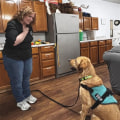
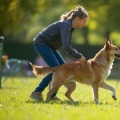
Training your dog can be one of the most rewarding experiences you'll ever have as a pet owner. Among the myriad of commands that your furry friend can learn, the Sit commandSit command stands out as a fundamental skill that serves as the foundation for many other advanced behaviors. Whether you’re a first-time dog owner or a seasoned trainer, mastering this simple yet powerful command can transform your dog's behavior and strengthen the bond between you and your pet. The Sit command is not just about getting your dog to settle down; it’s an essential tool for establishing communication and promoting good manners. Imagine walking through a park with a calm and obedient dog by your side, or having friends over without worrying about chaotic jumping and barking.
Teaching your dog to sit is not only beneficial for you but also helps your dog understand expectations, leading to a more harmonious household. In this article, we will explore the significance of the Sit command, how it fits into the broader picture of obedience training, and provide you with effective techniques to teach this command successfully. Get ready to embark on an exciting journey that will not only enhance your dog’s skills but also deepen your relationship through positive reinforcement and trust!The , how it fits into the broader picture of obedience training, and provide you with effective techniques to teach this command successfully. Get ready to embark on an exciting journey that will not only enhance your dog’s skills but also deepen your relationship through positive reinforcement and trust!The sit command is an essential building block in the world of dog training, serving as the foundation upon which many other commands and behaviors are built. By teaching your dog to sit, you not only establish a basic level of obedience but also foster a stronger bond between you and your furry friend. This command is often one of the first learned by both puppies and adult dogs, making it crucial for any dog owner. There are several effective methods to teach the is an essential building block in the world of dog training, serving as the foundation upon which many other commands and behaviors are built. By teaching your dog to sit, you not only establish a basic level of obedience but also foster a stronger bond between you and your furry friend. This command is often one of the first learned by both puppies and adult dogs, making it crucial for any dog owner. There are several effective methods to teach the sit command, with positive reinforcement being one of the most successful approaches.
Positive reinforcement involves rewarding your dog for desired behaviors, encouraging them to repeat those actions in the future. One of the most common ways to implement this technique is by using treats. Begin by holding a treat close to your dog’s nose, allowing them to sniff it but not eat it. Gradually move your hand upward, causing your dog’s head to follow the treat.
As their head moves up, their bottom will naturally lower into a sitting position. As soon as your dog’s rear end touches the ground, immediately say “sit” and give them the treat along with enthusiastic praise. This combination of verbal cue and reward helps your dog associate the word with the action. Repeat this process several times in a quiet environment where there are minimal distractions. Consistency is key; practice this command multiple times each day, gradually increasing the duration between the command and the reward. In addition to using treats, verbal praise and physical affection can also serve as powerful rewards.
Dogs thrive on attention and approval from their owners, so incorporating these elements can enhance their motivation to learn. For example, after your dog sits, enthusiastically say “good sit!” while petting them gently or giving them a scratch behind the ears. This positive interaction reinforces their behavior and strengthens your bond. However, you may encounter challenges during training sessions. Some dogs might refuse to sit initially or may only comply when treats are present.
If your dog seems hesitant, try changing your approach. Ensure that you are using high-value treats that they find irresistible and be patient. If they still refuse to sit, consider revisiting the steps or simplifying the process by lowering your expectations temporarily. Additionally, training in different environments can help address distractions that may hinder your dog's ability to focus. Start in a quiet room and gradually introduce more challenging scenarios, such as a backyard or a park with other dogs and people around.
When practicing in distracting environments, it may be helpful to bring along some high-value treats or toys to keep your dog's attention on you. Tracking progress is another important aspect of teaching the sit command. Keep a training journal where you note down each session's successes and challenges. This record will help you identify patterns in your dog's learning and adjust your training techniques accordingly. It also allows you to celebrate small victories along the way, reinforcing your motivation as a trainer. If you find that you’re struggling or if your dog is not responding well to at-home training, seeking professional help can be beneficial.
Look for local trainers or classes specializing in basic obedience training. Many communities offer group classes that not only teach commands like sit but also provide socialization opportunities for your dog. For those interested in more specialized training, such as service dog training or behavioral modification programs, consider reaching out to trainers who have experience in these areas. Specialized trainers can offer tailored guidance based on specific needs, helping both you and your dog reach your goals effectively. In summary, mastering the sit command is a vital step in dog training that requires consistency, patience, and positive reinforcement techniques. By utilizing treats, praise, and appropriate training environments while keeping track of progress and seeking professional help when necessary, you can effectively teach your dog this essential command and enjoy an improved relationship built on mutual respect and understanding.
Troubleshooting Common Issues
When teaching your dog the sit command, you may encounter a variety of challenges that can hinder the training process.Understanding these common issues is crucial for successful training. One frequent problem is distraction. Dogs are naturally curious and can be easily sidetracked by their environment. To combat this, try practicing in a quiet area with minimal distractions before gradually introducing more stimulating environments. Use high-value treats to maintain their focus and reward them promptly when they respond correctly. Another challenge is the dog's reluctance to sit.
Some dogs may resist sitting due to discomfort or a lack of motivation. Ensure that your dog is physically comfortable and not experiencing any pain that might prevent them from sitting. Additionally, choose rewards that genuinely excite your dog, such as their favorite toy or treat, to encourage compliance. Consistency is key when teaching the sit command. Inconsistent commands or rewards can confuse your dog.
Always use the same verbal cue and hand signal for the command, and ensure that all family members follow the same training protocol to avoid mixed messages. Lastly, patience is essential. Dogs learn at their own pace, and some may take longer to grasp the sit command than others. If your dog struggles, remain calm and positive, providing plenty of encouragement. Take breaks as needed, and avoid frustration; this will help maintain a positive learning atmosphere.
Advanced Training Opportunities
Once you have successfully taught your dog the sit command, you may want to explore more advanced training opportunities that can lead to specialized skills, particularly if you are interested in service dog training.Service dogs play a crucial role in assisting individuals with disabilities, and the sit command serves as a foundational skill that supports more complex tasks. For those looking to train their dogs for service work, it is essential to build on the sit command with additional commands and behaviors that promote reliability and focus. Advanced training can include teaching your dog to remain in a sit position until released, which is critical in various service scenarios where stability and calmness are required. Moreover, incorporating commands like stay, come, and heel will further enhance your dog's obedience and control. These commands work in tandem with the sit command, creating a well-rounded training regimen that is beneficial for service dogs. Additionally, consider enrolling your dog in specialized training programs or working with a certified trainer who has experience in service dog education. This professional guidance can help you navigate the specific requirements for service dog certification and ensure that your training aligns with industry standards. By taking these advanced steps, you not only improve your dog's obedience but also open up a world of possibilities for them to assist you or others in need.
The Importance of the Sit Command
Teaching the sit command is crucial for establishing a foundation of obedience in your dog.It serves as one of the first commands that dogs learn, making it an essential building block for further training. When a dog knows how to sit on command, it demonstrates their ability to listen and respond to their owner's instructions, which is vital for effective communication. Moreover, the sit command plays a significant role in ensuring safety. For instance, when you're in a busy environment or around other dogs and people, having your dog sit can prevent them from jumping or running off unexpectedly. This simple command can help manage your dog's behavior in various situations, reducing the likelihood of accidents or conflicts. Additionally, mastering the sit command can enhance your dog's overall behavior.
A well-behaved dog that responds to commands is more likely to be welcome in public spaces and social gatherings. This not only improves the quality of life for your pet but also strengthens the bond between you and your furry friend. In summary, teaching the sit command is not just about obedience; it is about creating a safe and harmonious environment for both you and your dog. The benefits of this foundational command extend far beyond simple training, impacting your dog's behavior and your relationship with them.
Effective Techniques for Teaching 'Sit'
Teaching your dog the sit command is an essential part of obedience training that lays the groundwork for more advanced commands. Utilizing positive reinforcement is key to successfully teaching this command.Here are some effective techniques to get you started:1.Lure and Reward: Begin by holding a treat close to your dog’s nose. Slowly move the treat upwards, allowing your dog to follow it with their eyes. As their head goes up, their bottom will naturally lower to the ground. As soon as they sit, say “sit” and reward them with the treat along with praise.
2.Use a Clicker:
If you have a clicker, use it in conjunction with treats.When your dog sits, click the clicker and then give them a treat. This helps them associate the sound of the clicker with the action of sitting.
3.Practice in Different Environments:
Once your dog has mastered sit at home, practice in different locations with varying distractions. This helps reinforce the command and ensures your dog understands that sit means the same thing regardless of where they are.4.Be Consistent:
Use the same verbal cue and hand signal every time you ask your dog to sit. Consistency is crucial for helping your dog learn effectively.5.Keep Sessions Short:
Dogs have short attention spans, so keep training sessions brief but frequent.Aim for 5-10 minute sessions a few times a day to maintain their interest and enthusiasm.
6.End on a Positive Note:
Always conclude training sessions with a successful sit or another command your dog knows well, followed by praise and a treat. This helps keep your dog motivated for future training. By employing these techniques, you’ll not only teach your dog the sit command effectively but also strengthen the bond between you and your furry friend through positive interactions.Finding Professional Help
When it comes to mastering the sit command, enlisting the help of a professional dog trainer can make a significant difference. A qualified trainer can provide personalized guidance and techniques that cater to your dog's unique personality and learning style. To find the right trainer or class in your area, consider the following steps:1.Research Local Trainers:
Start by searching online for dog trainers in your vicinity.Websites like the Association of Professional Dog Trainers (APDT) and the International Association of Animal Behavior Consultants (IAABC) offer directories of certified professionals. These organizations ensure their members adhere to high training standards.2.
Ask for Recommendations:
Reach out to fellow dog owners, veterinarians, or pet supply stores for recommendations on reputable trainers. Personal experiences can provide insight into the effectiveness and teaching style of local trainers.3.Check Reviews and Testimonials:
Look for online reviews on platforms like Google, Yelp, or social media. Positive testimonials from previous clients can help you gauge a trainer's success with other dogs.4.Visit Classes:
If possible, attend a training class as an observer before enrolling.This will give you a sense of the trainer's approach and how they interact with both dogs and their owners.5.
Evaluate Training Methods:
Ensure that the trainer uses positive reinforcement methods, which are crucial for building a trusting relationship with your dog. Avoid trainers who resort to harsh techniques or punishment, as these can lead to fear and anxiety.6.Inquire About Credentials:
Ask potential trainers about their qualifications, experience, and any certifications they hold. A well-trained professional should be able to explain their methods and philosophy clearly. By taking these steps, you can find a qualified trainer who will help you and your dog master the sit command, paving the way for a well-behaved pet and a stronger bond between you.Effective Techniques for Teaching 'Sit'
Teaching your dog the sit command is a rewarding experience that lays the foundation for further training. Here are some effective techniques to help you successfully teach this command using positive reinforcement.1.Lure Method:
Start by holding a treat close to your dog’s nose.Slowly move the treat upwards, allowing their head to follow the treat. As their head moves up, their bottom will naturally lower to the ground. Once they are in a sitting position, immediately say sit and reward them with the treat and praise. This method uses the dog’s natural instincts to guide them into the desired position.
2.Capturing:
This technique involves waiting for your dog to sit on their own.When you observe your dog sitting, enthusiastically say sit and reward them with a treat or praise. By capturing this behavior, you’re helping your dog associate the word sit with the action of sitting.
3.Hand Signal:
Once your dog understands the verbal command, add a hand signal for visual reinforcement. You can use an open palm facing upwards or a specific gesture that you prefer. Pair this hand signal with the verbal command sit, rewarding your dog when they respond correctly.4.Consistency is Key:
Use the same command and gestures consistently to avoid confusing your dog.Practice in different environments to help your dog learn that sit means the same thing no matter where they are.
5.Short Training Sessions:
Keep training sessions short and fun—around 5-10 minutes each—to maintain your dog's attention and enthusiasm. End each session on a positive note, even if it means practicing an easier command they already know. By utilizing these techniques, you’ll be well on your way to teaching your dog the sit command effectively while strengthening the bond between you and your furry friend.Effective Techniques for Teaching 'Sit'
Teaching your dog the sit command is a fundamental step in obedience training. There are several effective techniques you can use to ensure that your dog learns this command quickly and reliably. The cornerstone of these methods is the principle of positive reinforcement, which encourages desired behaviors through rewards. One popular method involves using treats to lure your dog into a sitting position.Begin by holding a treat close to your dog’s nose, then slowly move your hand upwards, allowing your dog to follow the treat with their nose. As soon as they sit, immediately give them the treat and praise them enthusiastically. This creates a positive association with the sit command. Another effective technique is to use a clicker as part of your training process. When your dog sits, you can click the clicker and then give them a treat.
The sound of the clicker helps reinforce the behavior, making it clear to your dog that sitting is what earned them the reward. Consistency is key when teaching the sit command. Make sure to use the same word and tone each time you ask your dog to sit. This consistency helps them learn and understand what is expected of them. You can also practice in different environments to help your dog generalize the command. Start in a quiet area with minimal distractions, then gradually introduce more challenging environments as your dog becomes more proficient at sitting on command. Finally, patience and repetition are vital in this training process.
Some dogs may catch on quickly, while others may take a little longer. Always remember to celebrate their successes, no matter how small, and keep training sessions short and fun to maintain your dog's enthusiasm. In conclusion, mastering the sit command is an essential step in establishing a solid foundation for your dog's obedience training. This simple yet effective command not only helps improve your dog's behavior but also strengthens the bond between you and your furry companion. Remember, consistency is key; regular practice will yield the best results.
If you find yourself facing challenges while training, don’t hesitate to seek professional help, as expert guidance can provide valuable insights and techniques to enhance your training experience. We encourage you to share your own experiences or questions about dog training in the comments below, as your input can help foster a supportive community of dog owners eager to learn and grow together.