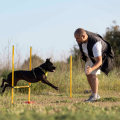
When it comes to establishing a routineestablishing a routine for your dog's training, consistency is key. Dogs thrive on predictability, and a well-structured routine can pave the way for successful learning and behavior modification. Whether you're a new puppy owner or looking to refine your dog's training regimen, understanding the importance of routine can transform your training sessions from chaotic to seamless. Imagine coming home after a long day, and instead of chaos, you find a calm and obedient companion waiting for you. This is not just a dream; it can be your reality with the right approach to routine.
Creating a consistent routine doesn’t just help with training; it establishes a bond of trust and understanding between you and your furry friend. It allows your dog to know what to expect, reducing anxiety and enhancing their learning ability. In this article, we will explore the essential elements of establishing a routine that works for both you and your dog. We will delve into tips and techniques that can make training sessions more effective and enjoyable. Get ready to embark on a journey that will not only improve your dog's behavior but also strengthen the relationship you share.
Let’s dive in and discover how a consistent routine can lead to training success!Establishing a consistent routine is crucial for effective dog training. A well-structured daily schedule is the foundation of this routine. To create an effective daily training schedule, start by setting specific times for training sessions, meals, walks, and playtime. For example, you might choose to train your dog right after breakfast, followed by a mid-morning walk.
This predictability helps your dog understand what to expect throughout the day, making them feel more secure and focused during training. Another key element is consistency. Consistency in commands, rewards, and corrections is vital in ensuring that your dog understands what you are asking of them. For instance, if you use different words for the same command—such as saying “sit” one day and “down” the next—it can lead to confusion for your dog. Sticking to the same command words allows your dog to learn faster and respond more reliably. Additionally, implementing positive reinforcementpositive reinforcement during training sessions is essential.
Using treats and praise as rewards reinforces good behavior and encourages your dog to repeat those actions. For example, if your dog sits on command and you immediately reward them with a treat and enthusiastic praise, they will associate sitting with positive outcomes. Over time, this method strengthens their understanding and eagerness to obey commands. A regular routine can also be beneficial for addressing common behavioral issues. Many dogs exhibit behaviors such as excessive barking or jumping due to anxiety or lack of structure.
By incorporating training sessions into your daily routine, you can manage these behaviors more effectively. For instance, if your dog tends to bark at the mailman, establishing a routine that includes specific training exercises focused on quiet commands can help reduce this behavior over time. Finding local trainers or classes can complement your home routines significantly. Look for resources like community dog parks or obedience clubs that offer group classes. Engaging with local trainers not only provides professional guidance but also allows for socialization opportunities with other dogs.
This interaction can enhance your dog's learning experience while reinforcing their training in real-world scenarios. For those interested in taking their dog's training further, consider specialized training options such as service dog training or agility classes. These advanced skills can not only challenge your dog mentally and physically but also strengthen the bond between you and your pet. Success stories abound from dog owners who have seen remarkable improvements through established routines and specialized training programs. In conclusion, establishing a consistent routine for your dog's training success involves creating a structured daily schedule, maintaining consistency in commands and rewards, utilizing positive reinforcement techniques, addressing behavioral issues effectively, seeking local training resources, and exploring specialized options for advanced skills. Many dog owners have experienced significant improvements in their pets' behavior and obedience by committing to a well-planned training routine.
Crafting Your Daily Training Schedule
Creating a structured daily routine for your dog's training sessions is essential for achieving long-term success.Start by designating specific times throughout the day for training. This could be in the morning, afternoon, or evening—whatever fits best with your lifestyle. Consistency in timing helps your dog anticipate when they will be learning, making them more receptive to the training process. Next, consider the duration of each training session. Dogs, especially puppies, have limited attention spans.
Aim for short sessions of about 5 to 15 minutes, depending on your dog's age and energy levels. It’s better to have multiple short sessions throughout the day than one long session that may lead to frustration or boredom. Incorporate a variety of training activities within your schedule. This can include basic commands, tricks, and socialization exercises. Mixing up activities keeps training engaging and fun for both you and your dog.
You might also want to include specific times for practice in different environments, which can help your dog generalize their training. Don’t forget to include breaks. Allowing your dog time to relax and recharge between training sessions is crucial for maintaining their enthusiasm and focus. Use this time for play or simple bonding activities that reinforce your relationship. Finally, keep a training log to track your dog's progress. Documenting what you worked on each day will help you adjust your routine as needed and identify areas where your dog may need additional practice.
The Power of Consistency in Commands
When it comes to training your dog, consistency in commands is not just beneficial; it is essential.Dogs thrive on routine and structure, and they learn best when they can predict what is expected of them. This means using the same word or phrase for each command every time you give it. For example, if you want your dog to sit, always use the command 'sit' rather than switching between 'sit', 'down', or 'take a seat'. This clarity helps your dog understand what you want, making training more effective. Moreover, consistency in commands fosters a stronger bond between you and your dog.
When your dog recognizes that their behavior leads to a predictable outcome—like receiving praise or a treat—they are more likely to respond positively. This predictability reduces confusion and anxiety, allowing your dog to feel secure in their environment. It is also important to ensure that everyone in your household uses the same commands. If one person says 'come' while another uses 'here', it can confuse your dog and hinder their training progress. Establishing a common language among family members not only enhances communication but also reinforces the learning process for your dog. In summary, the power of consistency in commands cannot be overstated.
It lays the groundwork for effective communication and understanding between you and your furry friend, leading to a more successful training experience.
Managing Behavioral Issues Through Routine
Establishing a routine is crucial for addressing and managing various behavioral issues in dogs. When dogs have a consistent schedule, they thrive on the predictability it provides. This predictability helps them understand what is expected of them at any given time, which can significantly reduce anxiety and stress.Routine
plays a pivotal role in curbing undesirable behaviors such as excessive barking, chewing, and separation anxiety. For instance, if your dog knows that they will be taken for a walk at the same time each day, they are less likely to exhibit restlessness or destructive behavior in anticipation of that activity.This consistency allows them to channel their energy into positive actions rather than negative ones. Additionally, a well-established routine can aid in house training efforts. By implementing a schedule for feeding, potty breaks, and playtime, you can help your dog learn when and where it is appropriate to relieve themselves. This not only minimizes accidents indoors but also reinforces the idea that there are specific times for specific activities. For puppies, who are still learning about their environment and social cues, a routine is especially beneficial. It provides a structured framework that helps them feel secure and confident as they navigate their new world.
Adult dogs can also benefit from routines, particularly if they have developed behavioral issues over time due to inconsistent training or lifestyle changes. In summary, by establishing a routine, you are equipping your dog with the tools they need to succeed. A consistent schedule fosters understanding, reduces behavioral problems, and enhances the overall training experience for both you and your dog.
Incorporating Positive Reinforcement
One of the most effective ways to enhance your dog's training routine is by incorporating positive reinforcement. This method involves rewarding your dog for desired behaviors, which encourages them to repeat those behaviors in the future. When establishing a routine, consider these various methods of positive reinforcement:Treats are perhaps the most common form of positive reinforcement.Keep a selection of small, tasty treats on hand to reward your dog immediately after they exhibit the desired behavior. This immediate reward helps reinforce the connection between the behavior and the positive outcome. Another effective method is using verbal praise. Dogs are social animals that thrive on interaction with their owners. Use an enthusiastic tone and phrases like 'good boy!' or 'well done!' to acknowledge your dog's successes.
This can be particularly powerful when combined with treats. In addition to treats and praise, incorporating playtime as a reward can be very motivating for many dogs. If your dog enjoys playing fetch or tug-of-war, use these activities as rewards for completing training tasks. This not only reinforces good behavior but also strengthens your bond with your dog. Lastly, affection is a wonderful form of positive reinforcement. Simple gestures such as petting or cuddling can make your dog feel loved and appreciated.
Always remember that the key to effective positive reinforcement is timing; rewards should be given immediately after the desired behavior to create a clear association. By consistently using these methods within your daily routine, you will help your dog learn faster and feel more secure, ultimately leading to a successful training experience.
Options for Specialized Training
When it comes to establishing a routine for your dog, there are several specialized training opportunities that can enhance their learning experience. These specialized programs cater to different needs and goals, allowing you to tailor your dog’s training according to their personality and behavior. One popular option is obedience trainingobedience training, which focuses on teaching basic commands such as sit, stay, and come. This type of training is essential for creating a solid foundation and helps reinforce the importance of routine in your dog's daily life. If your dog has specific behavioral issues, consider behavior modification training. This training addresses problems such as aggression, anxiety, or excessive barking.A consistent approach through a structured routine can significantly improve these behaviors. Another avenue to explore is agility training. This fun and engaging type of training not only builds your dog’s physical skills but also enhances their focus and obedience. Establishing a routine that incorporates agility exercises can provide mental stimulation while reinforcing positive behaviors. For those interested in advanced skills, service dog training can be a rewarding option. This specialized training equips dogs to assist individuals with disabilities, emphasizing the critical role of a consistent routine in developing reliable service behaviors. Lastly, consider socialization classes.
These classes expose your dog to various environments, people, and other pets in a controlled setting. A routine that includes regular socialization can help reduce anxiety and promote better interactions with others. By exploring these specialized training options and integrating them into your dog’s routine, you can set the stage for lasting training success.
Finding Professional Help When Needed
While establishing a routine is crucial for your dog’s training success, there may be times when you need additional support. Seeking help from a professional trainer can provide valuable guidance and enhance your training efforts. Here are some tips on how to locate local trainers or classes that can assist you.Start with Research:
The first step in finding a professional trainer is to conduct some research.Use online resources such as Google or Yelp to search for dog trainers in your area. Look for reviews and ratings to gauge the experiences of other dog owners.
Check Certifications:
When evaluating potential trainers, ensure they have the appropriate certifications and experience. Organizations like the Association of Professional Dog Trainers (APDT) and the Certification Council for Professional Dog Trainers (CCPDT) offer accreditation programs that can help you identify qualified professionals.Ask for Recommendations:
Reach out to fellow dog owners, veterinarians, or local pet stores for recommendations on trainers or classes. Personal referrals can often lead you to reputable professionals who have a proven track record.Visit Classes:
If possible, attend a few classes before making a decision.Observing a trainer in action will give you insights into their training style and how they interact with both dogs and their owners. Look for trainers who emphasize positive reinforcement techniques, which are effective and promote a positive learning environment.
Consider Specializations:
Some trainers specialize in specific areas such as puppy training, obedience, behavior modification, or agility. Determine what your training goals are and look for trainers who align with those objectives.Evaluate Logistics:
Consider the location of the training facility, class schedules, and costs involved. Choose options that fit within your routine and budget to ensure consistency in your dog’s training. By taking these steps to find professional help when needed, you can create a more effective routine for your dog’s training journey, ultimately leading to better outcomes and a well-behaved pet. Establishing a routine in dog training is essential for nurturing a well-behaved and obedient pet.By crafting a daily training schedule, you not only clarify expectations for your dog but also foster a sense of security that reduces anxiety.
The Power of Consistency in Commands
cannot be overstated; when commands are repeated consistently, dogs are more likely to respond correctly. Incorporating positive reinforcement into your routine further strengthens the bond between you and your dog, making training a rewarding experience for both. Additionally, managing behavioral issues through a structured routine allows you to address problems early on before they escalate. If challenges arise that seem beyond your control, seeking Professional Help can be an effective way to tailor your approach, ensuring that both you and your dog thrive.Remember that options for specialized training are available should you need them. As you embark on this journey, it’s important to take action now. Start implementing these strategies immediately—your commitment to consistency will pave the way for long-term success in your dog's behavior and obedience. Together, you and your dog can establish a harmonious routine that enhances training outcomes and enriches your lives.