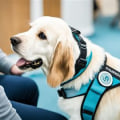
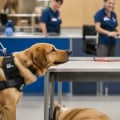
In the world of service dogs, medical alert dogs hold a unique and vital role that often goes unnoticed. These remarkable animals possess an extraordinary ability to detect medical conditions and alert their handlers, providing not just companionship but also a lifeline in critical situations. As awareness of their importance grows, so does the need for understanding their specific training requirements and capabilities, which can be enhanced through breed-specific dog care services.This article delves into the fascinating world of medical alert dogs, exploring how they are trained to recognize subtle changes in their handler's body chemistry, alert them to impending medical episodes, and offer invaluable support. Whether you are considering a medical alert dog for yourself or a loved one, or simply wish to learn more about these incredible canines, you will find essential insights and information within. Join us as we navigate the intricacies of hold a unique and vital role that often goes unnoticed. These remarkable animals possess an extraordinary ability to detect medical conditions and alert their handlers, providing not just companionship but also a lifeline in critical situations. As awareness of their importance grows, so does the need for understanding their specific training requirements and capabilities, which can be enhanced through breed-specific dog care services. This article delves into the fascinating world of medical alert dogs, exploring how they are trained to recognize subtle changes in their handler's body chemistry, alert them to impending medical episodes, and offer invaluable support. Whether you are considering a medical alert dog for yourself or a loved one, or simply wish to learn more about these incredible canines, you will find essential insights and information within. Join us as we navigate the intricacies of and alert their handlers, providing not just companionship but also a lifeline in critical situations. As awareness of their importance grows, so does the need for understanding their specific training requirements and capabilities, which can be enhanced through breed-specific dog care services. This article delves into the fascinating world of medical alert dogs, exploring how they are trained to recognize subtle changes in their handler's body chemistry, alert them to impending medical episodes, and offer invaluable support. Whether you are considering a medical alert dog for yourself or a loved one, or simply wish to learn more about these incredible canines, you will find essential insights and information within. Join us as we navigate the intricacies of hold a unique and vital role that often goes unnoticed. These remarkable animals possess an extraordinary ability to detect medical conditions and alert their handlers, providing not just companionship but also a lifeline in critical situations. As awareness of their importance grows, so does the need for understanding their specific training requirements and capabilities, which can be enhanced through breed-specific dog care services. This article delves into the fascinating world of medical alert dogs, exploring how they are trained to recognize subtle changes in their handler's body chemistry, alert them to impending medical episodes, and offer invaluable support. Whether you are considering a medical alert dog for yourself or a loved one, or simply wish to learn more about these incredible canines, you will find essential insights and information within. Join us as we navigate the intricacies of medical alert dog training, the various types of alerts they can provide, and the profound impact they have on the lives of those who rely on them.
From understanding the foundational skills necessary for training to the emotional bond that forms between handler and dog, our exploration will equip you with knowledge that highlights the significance of these service animals in modern healthcare.
Medical alert dogs
are specially trained canines that assist individuals with specific medical conditions by alerting them to potential health crises. Unlike other service dogs that might perform tasks such as guiding the visually impaired or aiding those with mobility challenges, medical alert dogs focus primarily on recognizing and responding to particular medical events. This unique role is crucial for individuals who might experience sudden medical issues, such as seizures or hypoglycemic episodes, and can significantly enhance their quality of life. To qualify as a medical alert dog, a canine must undergo specific training to recognize the signs of their handler's medical condition. Common conditions that these dogs assist with include diabetes, where they alert their owners to changes in blood sugar levels, and epilepsy, where they signal an impending seizure.Other conditions may include allergies or cardiac issues, where the dog can be trained to respond to certain triggers that could lead to a medical emergency. The training for these dogs is tailored to the individual needs of the handler, making it distinct from the more general training provided to other service dogs. The training process for medical alert dogs is intensive and requires specialized knowledge. These dogs need to learn how to identify subtle changes in their handler's body language or scent that may indicate an impending medical event. This training often involves desensitization to various environments and scenarios, ensuring that the dog remains focused and effective in real-world situations.
Unlike other service dogs that might be trained primarily in obedience and basic commands, medical alert dogs must also learn to react appropriately during emergencies, which can be a significant challenge. Finding a qualified dog trainer who specializes in Unlike other service dogs that might be trained primarily in obedience and basic commands, medical alert dogs must also learn to react appropriately during emergencies, which can be a significant challenge. Finding a qualified dog trainer who specializes in service dog training is paramount for ensuring that the dog receives the correct guidance and education. A professional trainer will have experience not only with general obedience but also with the specific needs of medical alert tasks. It’s essential to match the right dog with the right trainer; a mismatch can lead to ineffective training outcomes and could ultimately jeopardize the safety of the handler. During training, various behavioral issues may arise that require careful management. For instance, a dog may display anxiety in new environments or become distracted by other stimuli, which can hinder their ability to perform their alerting tasks effectively.
Professional trainers are equipped with strategies to address these challenges, ensuring that the dog remains calm and focused during critical moments. The benefits of professional training versus self-training methods cannot be overstated. While some individuals may choose to train their own dogs using online resources or books, this approach often lacks the depth of knowledge required for successful medical alert dog training. Professional trainers offer tailored programs that cater specifically to the needs of both the dog and handler, which can result in more effective outcomes. Resources available for those interested in professional training include certification programs, workshops, and support groups for service dog handlers. There are common misconceptions surrounding medical alert dogs and their trainers.
Some people believe that any dog can be trained to perform these tasks or that training can be done quickly and easily at home. However, this underestimates the complex nature of training these specialized dogs. It’s essential to understand that proper training requires time, patience, and expertise. Additionally, potential handlers should be aware that not all breeds are suitable for becoming medical alert dogs; traits such as temperament, size, and energy levels play a significant role in determining a dog's suitability. In conclusion, understanding the significance of medical alert dogs and their specialized training needs is vital for individuals considering this support option.
The right match between a qualified trainer and a suitable dog can lead to life-saving assistance for those with serious medical conditions. As interest in service dog training continues to grow, so does the importance of ensuring that both handlers and trainers are well-informed about the unique requirements involved in fostering effective partnerships between humans and their canine companions.
What is a Medical Alert Dog?
Medical alert dogs are specially trained canines that assist individuals with specific medical conditions by alerting them to potential health issues before they become critical. These dogs are invaluable companions for those who may experience medical emergencies, such as seizures, diabetes-related fluctuations, or severe allergic reactions. The primary role of a medical alert dog is to recognize specific signs or changes in their owner’s behavior or physiological state. For instance, a dog trained for seizure alerts may detect subtle changes in body language or scent that precede a seizure and will alert the person or others nearby to take necessary precautions.Similarly, dogs trained for diabetes may sense when their owner’s blood sugar levels drop or spike and provide timely alerts. These dogs undergo rigorous training to ensure they can perform their tasks effectively. Proper training not only enhances their ability to detect medical events but also helps them remain calm and focused in potentially stressful situations. This is why investing in professional training is critical for maximizing the efficacy of medical alert dogs. As interest in service dog training grows, more individuals are recognizing the importance of obtaining expert guidance to ensure that their dogs can serve their intended purpose reliably.
The Importance of Specialized Training
Specialized training is essential for medical alert dogs because their primary role is to assist individuals with specific medical conditions, such as diabetes, seizures, or severe allergies.Unlike general obedience training, which focuses on basic commands like sit, stay, and come, specialized training equips these dogs with the skills necessary to recognize and respond to medical emergencies. One key aspect that differentiates specialized training from general obedience training is the emphasis on alerting behaviors. For instance, a medical alert dog must learn to identify changes in their handler’s body chemistry or behavior that indicate an impending medical crisis. This requires a deep understanding of the handler's specific condition, which can vary widely from person to person. Another vital component of specialized training is the ability to perform tasks that directly mitigate the effects of a medical condition. For example, a dog trained to assist someone with diabetes may be taught to retrieve glucose monitors or alert their owner when blood sugar levels are dangerously low.
Such tasks require not only obedience but also problem-solving skills and the ability to work under pressure. Moreover, the importance of proper training cannot be overstated. Without it, a medical alert dog may not recognize critical signals or may fail to respond appropriately during a crisis. This could have serious consequences for the individual relying on the dog for assistance. Therefore, professional training from experienced trainers who specialize in service dog programs is highly recommended. As interest in service dog training grows, so does the understanding that not all dogs are suited for the demanding role of a medical alert dog.
The selection process, combined with rigorous specialized training, ensures that these dogs can effectively support their handlers and enhance their quality of life.
Resources for Owners: Training Classes and Self-Training
Training a medical alert dog is essential to ensure they can effectively assist their handlers. For owners who wish to take on the responsibility of training their dogs themselves, there are various resources available both locally and online. First, consider looking for local training classes specifically tailored to service dogs. Many organizations offer classes that focus on teaching the unique skills required for medical alert dogs. These classes can provide hands-on experience and guidance from professional trainers who understand the nuances of training dogs for medical alerts. In addition to in-person classes, there are numerous online resources available.Websites like Service Dog Central and International Association of Assistance Dog Partners (IAADP) offer comprehensive guides, training videos, and forums where owners can share experiences and seek advice. For those who prefer self-training, books such as “The Complete Guide to Service Dog Training” provide step-by-step instructions on how to train your medical alert dog. These resources cover everything from basic obedience to specialized alerts for conditions like diabetes or seizures. Lastly, consider joining local support groups or online communities dedicated to service dog training. These platforms can be invaluable for networking with other owners and trainers, sharing tips, and finding additional resources. Overall, whether through local classes or self-training methods, there are ample resources available to help owners successfully train their medical alert dogs.
Common Medical Conditions Supported by Alert Dogs
Medical alert dogs play a crucial role in assisting individuals who suffer from various medical conditions. These specially trained dogs can detect changes in their handler's health and alert them or others to take necessary action.Below are some common medical conditions that benefit from the support of alert dogs.
Diabetes:
One of the most well-known uses for alert dogs is in diabetes management. These dogs can be trained to sense fluctuations in their owner's blood sugar levels, alerting them when their glucose is too high or too low. This early warning can help prevent severe health complications.Epilepsy:
Individuals with epilepsy can benefit from medical alert dogs that are trained to recognize the onset of a seizure. The dog can then provide a warning to the individual or find help, ensuring that the person is safe during and after the seizure.Anxiety and Panic Disorders:
For those who suffer from anxiety or panic disorders, alert dogs can provide emotional support and help mitigate panic attacks.These dogs are trained to recognize signs of distress and can offer comfort or help ground their handler during an episode.
Autism Spectrum Disorders:
Children and adults with autism may have difficulty navigating social situations. Medical alert dogs can assist by providing companionship, reducing anxiety, and even helping to keep their handler safe in crowded environments.Heart Conditions:
Some alert dogs are trained to detect changes in heart rhythms or blood pressure. They can alert their owners before a serious event occurs, allowing individuals to seek medical attention or take preventive measures. In summary, medical alert dogs serve a vital function for individuals with specific medical conditions. The right training not only enhances the dog's ability to perform their tasks but also significantly improves the quality of life for those they assist.Finding a Qualified Dog Trainer
When it comes to training medical alert dogs, finding a qualified dog trainer is crucial to ensure that your furry companion can effectively assist with specific medical conditions.Here are some tips to help you find the right professional:1.Research Credentials: Look for trainers who have certifications from recognized organizations, such as the International Association of Assistance Dog Partners (IAADP) or Assistance Dogs International (ADI). These certifications indicate that the trainer has met specific standards in training service dogs.
2.Experience with Service Dogs:
Ensure that the trainer has experience specifically with service dogs, particularly those trained for medical alert tasks. Ask about their previous work and success stories with similar dogs.3.Training Methods:
Inquire about the training methods used by the trainer. Positive reinforcement techniques are generally preferred for service dog training, as they help build a strong bond between the dog and handler.4.Ask Questions:
Prepare a list of questions to ask potential trainers, such as: What is your approach to training medical alert dogs? How do you tailor the training to meet individual needs? Can you provide references from past clients?5.Observe a Class: If possible, attend a training session to observe the trainer in action.Pay attention to how they interact with both the dogs and their handlers, and see if their style resonates with you.
6.Follow-Up Support:
Check if the trainer offers follow-up support after the initial training. This can be invaluable for addressing any challenges that arise as you and your medical alert dog continue to learn together. Finding a qualified dog trainer who specializes in service dogs is an essential step in ensuring that your medical alert dog can perform their tasks effectively and provide the support you need.Training Techniques for Medical Alert Dogs
Training medical alert dogs requires a combination of specialized techniques that ensure these dogs can effectively assist their handlers with specific medical conditions. The training process is not only about teaching commands but also about building a strong bond between the dog and the handler, which is crucial for successful performance in real-life situations. One effective training technique involves positive reinforcement. This method encourages desired behaviors through rewards such as treats, praise, or playtime.For example, when a dog successfully alerts their owner to a medical event—such as a drop in blood sugar levels—the trainer should immediately reward the dog. This establishes a clear connection between the action and the positive outcome, reinforcing the behavior. Another important technique is desensitization. Many medical alert dogs need to react to specific triggers, such as changes in their owner's body language or scent associated with medical conditions. By gradually exposing the dog to these triggers in controlled environments and pairing them with rewards, trainers can help the dog learn to recognize and respond appropriately without stress. Additionally, task-specific training is essential for medical alert dogs.
This involves teaching the dog specific tasks that are tailored to the medical needs of their handler. For instance, a dog might be trained to recognize the scent of an oncoming seizure and alert their owner by nudging them or barking. Trainers should work closely with handlers to ensure that these tasks are practical and relevant to their daily lives. Incorporating real-life scenarios into training sessions can also enhance a dog's ability to perform under pressure. Trainers can simulate situations that may trigger a medical response, allowing the dog to practice their skills in a safe environment.
This not only builds the dog's confidence but also prepares them for actual situations they might encounter. Lastly, it's important for trainers and owners to seek professional guidance. While many techniques can be practiced at home, working with a qualified service dog trainer can provide valuable insights and structured training plans tailored to individual needs. Professional trainers bring expertise in behavioral science and can help troubleshoot any challenges that arise during the training process. In summary, effective training techniques for medical alert dogs involve positive reinforcement, desensitization, task-specific training, real-life scenario practice, and professional guidance. By employing these strategies, trainers and owners can ensure that their dogs are well-prepared to provide the necessary support for individuals with medical conditions. In conclusion, medical alert dogs play a vital role in assisting individuals with various medical conditions, providing not only support but also peace of mind.
We discussed the importance of specialized training, as it directly impacts a dog's ability to effectively perform their tasks. Additionally, the growing interest in service dog training highlights the need for professional guidance to ensure that these amazing animals are equipped with the skills necessary for their roles. It is essential for prospective owners to seek out qualified trainers who can provide the necessary instruction and support. However, we also recognize that with dedication and commitment, many owners have successfully trained their own dogs. Remember, proper training not only enhances the dog's capabilities but also strengthens the bond between the owner and their service dog.
By investing time and effort into training, you can ensure that your medical alert dog will be a reliable partner in your journey towards better health and well-being.