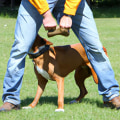
Every dog owner knows the struggle of dealing with pulling on the leash during walks. It can transform a simple stroll into a tug-of-war match, leaving both you and your furry friend feeling frustrated. However, just as the Benefits of Proximity to Family and Friends can enhance your life, there are effective strategies that can help you regain control and make walking your dog near Kiawah SC a pleasurable experience. In this article, we will explore various techniques to manage your dog's pulling behavior, ensuring that walks near Kiawah SC become enjoyable moments of bonding rather than battles of strength. Understanding why dogs pull on the leash is the first step in addressing this common issue. on the leash during walks. It can transform a simple stroll into a tug-of-war match, leaving both you and your furry friend feeling frustrated. However, just as the Benefits of Proximity to Family and Friends can enhance your life, there are effective strategies that can help you regain control and make walking your dog near Kiawah SC a pleasurable experience. In this article, we will explore various techniques to manage your dog's pulling behavior, ensuring that walks near Kiawah SC become enjoyable moments of bonding rather than battles of strength. Understanding why dogs pull on the leash is the first step in addressing this common issue.
It often stems from excitement, curiosity, or simply a desire to explore the world around them. By recognizing these motivations, you can tailor your training approach to meet your dog's needs. From positive reinforcement methods to essential equipment tips, we’ll provide you with a comprehensive guide to transform your walks into a relaxed and enjoyable experience. Whether you have a young puppy or an adult dog, these strategies can be adapted to fit any age or breed. If you're ready to turn those chaotic walks into peaceful adventures, read on as we delve into the most effective ways to tackle pulling on the leash!Walking a dog that pulls on the leash can be a frustrating experience for many pet owners. Dogs often exhibit this behavior due to a variety of reasons, including excitement, curiosity, or simply a lack of proper training.
Understanding the underlying motivations for pulling is crucial for effectively addressing this common issue. For instance, many dogs pull because they are eager to explore their environment or are excited about seeing other dogs and people. Others may have developed a habit of pulling because they were never taught to walk politely on a leash. Recognizing these motivations allows owners to tailor their training approaches effectively. One effective method to manage pulling is through positive reinforcement.
This technique involves rewarding your dog for exhibiting desirable behaviors, such as walking calmly by your side. For example, when your dog begins to pull, you can stop walking and wait for them to return to your side before continuing. As soon as they do, offer praise or a treat. This reinforces the idea that walking beside you is more rewarding than pulling ahead.
Additionally, using a no-pull harness can be beneficial in reducing pulling behavior. These harnesses are designed to discourage pulling by gently steering the dog back toward the owner when they attempt to pull ahead. Another strategy involves desensitization. This technique aims to gradually expose your dog to the stimuli that provoke their pulling behavior while maintaining control over their reactions. For instance, if your dog pulls when they see another dog, practice walking in environments where other dogs are present but at a distance where your dog remains calm.
Gradually decrease the distance between them and the other dogs while rewarding calm behavior. This method helps them learn to stay composed even when faced with distractions. Training exercises such as the 'stop and go' technique can also be highly effective for managing pulling. In this exercise, you simply stop walking whenever your dog pulls on the leash. Once they return to your side and stop pulling, you can resume walking.
This teaches them that pulling does not get them where they want to go and encourages them to stay close to you instead. Another valuable command is the 'focus' command, where you teach your dog to make eye contact with you while walking. This not only helps redirect their attention from distractions but also strengthens your bond. Despite the variety of methods available for managing pulling, there are often disagreements among trainers and pet owners regarding which techniques are most effective. Some trainers advocate for using strict correction methods or aversive tools, while others emphasize gentle approaches like positive reinforcement and patience.
It is essential to recognize that each dog is an individual, and what works for one may not work for another. The key is to find an approach that resonates with both you and your dog, ensuring that training remains a positive experience. In conclusion, managing a dog's tendency to pull on the leash requires a combination of understanding their motivations and employing effective training techniques. Whether through positive reinforcement, specialized equipment like no-pull harnesses, or various training exercises, owners have numerous options at their disposal. Acknowledging differing opinions on training methods can lead to more informed decisions, ultimately resulting in a better relationship between the owner and their beloved canine companion.
Understanding Why Dogs Pull
When it comes to leash pulling, understanding the underlying reasons for this behavior is crucial for effective training.Many dogs pull on the leash due to a combination of excitement and curiosity. For instance, when a dog spots a squirrel, another dog, or an interesting scent, their natural instinct is to chase or explore, leading them to pull away from their owner. Additionally, some dogs may not have received proper training in leash etiquette. Without consistent guidance, they may not understand that pulling is undesirable behavior. This lack of training can stem from early experiences where the dog was allowed to lead the walk, reinforcing the idea that pulling is acceptable. Another factor contributing to leash pulling is the dog's energy level.
High-energy breeds, in particular, may need more physical and mental stimulation before walks to help them remain calm. If a dog is not sufficiently exercised, they may be more prone to pulling due to pent-up energy. Understanding these behavioral reasons can help owners develop a tailored approach to managing leash pulling. By addressing the root causes, owners can work towards a more enjoyable walking experience for both themselves and their canine companions.
Effective Training Techniques
When it comes to dealing with pulling on the leash, utilizing effective training techniques is crucial for fostering a positive walking experience for both you and your dog. One of the most successful methods is positive reinforcement.This technique involves rewarding your dog with treats, praise, or playtime when they walk calmly by your side. The aim is to encourage them to associate walking nicely on a leash with positive outcomes. Another effective approach is the use of specialized equipment, such as no-pull harnesses. These harnesses are designed to discourage pulling by redirecting your dog’s attention back towards you. They can be particularly helpful for strong dogs that may have a tendency to pull aggressively.
When selecting a harness, ensure it fits properly and is comfortable for your dog. In addition to these techniques, specific exercises can significantly curb pulling. One popular exercise is the 'Stop and Go' method. When your dog begins to pull ahead, stop walking immediately. Wait until they return to your side or show slack in the leash, then resume walking.
This teaches your dog that pulling results in a halt, while walking calmly leads to progress. Consistency is key with all these methods. Regular practice and patience will help reinforce good behavior over time, making walks more enjoyable for both you and your furry friend.
Finding Professional Help
If you find yourself struggling with your dog's pulling behavior on the leash, seeking professional help can be a game changer. A qualified dog trainer can provide personalized guidance tailored to your dog's specific needs and temperament. Here are some steps to help you find the right trainer or class for leash training and behavioral issues. First, start by researching local dog trainers in your area.Websites such as the Association of Professional Dog Trainers (APDT) offer directories of certified trainers who specialize in various aspects of obedience training. Look for trainers who have experience with leash pulling and positive reinforcement methods, as these approaches tend to be the most effective and humane. Next, consider visiting local pet stores or veterinary clinics. Many of these establishments have bulletin boards with advertisements for trainers and classes. You can also ask staff members for recommendations based on their experiences with clients. Another great resource is social media and community forums.
Platforms like Facebook often have local groups dedicated to dog owners where you can ask for suggestions. Sites like Nextdoor can also connect you with neighbors who may have insights into trainers they’ve worked with. Once you have a list of potential trainers, take the time to read reviews and testimonials. This feedback can help you gauge the effectiveness of their training methods and the success stories of other dog owners. Finally, schedule a consultation or attend an introductory class. This will allow you to observe the trainer's techniques and see how they interact with dogs and their owners.
It’s important that you feel comfortable with their training style, as this will significantly impact your dog’s learning experience. In summary, finding the right professional help for dealing with pulling requires research, recommendations, and personal interactions. With the right guidance, you and your dog can overcome this challenge and enjoy more peaceful walks together.
Specialized Training Options
When it comes to dealing with pulling, specialized training options can be incredibly beneficial for both dogs and their owners. While basic leash training techniques are essential, some dogs may require more tailored approaches to address their unique needs or behavioral issues. One of the most effective specialized training options is service dog training. This form of training prepares dogs to assist individuals with disabilities, and it requires a strong foundation in obedience and control, including proper leash manners.Service dogs must learn to walk calmly beside their handlers without pulling, which can be achieved through structured training programs that focus on consistency and positive reinforcement. Another option is to seek help from a professional dog trainer who specializes in addressing specific behavioral issues related to pulling. These trainers often utilize techniques such as clicker training, which reinforces desired behaviors while discouraging unwanted ones. They may also implement methods like the 'stop-and-go' technique, where the walk only resumes when the dog is walking calmly beside the owner, teaching the dog that pulling will not lead to progress. Additionally, consider enrolling your dog in a behavior modification program. These programs are designed to identify and address the root causes of pulling behavior, whether they stem from anxiety, over-excitement, or a lack of proper socialization.
A certified trainer can work with you and your dog to develop a customized plan that fits your specific situation. Lastly, group classes can offer a supportive environment for both dogs and owners. These classes often focus on leash manners while providing socialization opportunities for dogs. Learning in a group setting can also motivate owners and help them remain consistent with their training efforts. In summary, specialized training options such as service dog training, professional trainers for behavioral issues, behavior modification programs, and group classes can significantly aid in managing pulling. By investing in these resources, you can foster a more harmonious relationship with your dog during walks.
DIY Training Resources
Training your dog to walk politely on a leash is essential for both your safety and the enjoyment of your walks together.Fortunately, there are numerous resources available to help you tackle this challenge from the comfort of your home. Here’s a curated list of books, online courses, and videos that can guide you in training your dog effectively.
Books:
1.The Power of Positive Dog Training by Pat Miller - This book emphasizes positive reinforcement techniques that can help reduce pulling.2.Leash Training Made Easy by John Smith - A straightforward guide that focuses on practical exercises for leash training.3.Dog Training 101 by Kyra Sundance - This comprehensive book covers various aspects of dog training, including leash etiquette.Online Courses:
1.Udemy: Dog Training - Leash Walking - A popular course that provides step-by-step instructions for teaching your dog to walk nicely on a leash.2.Coursera: Dog Training Basics - This course covers essential training strategies, including leash control techniques.Videos:
1.YouTube: Leash Training Techniques by Dog Trainer Jane - A visual guide demonstrating effective methods to manage pulling.2.YouTube: Tips for Walking Your Dog Calmly - This video offers practical tips to make your walks more enjoyable. Utilizing these DIY training resources, you can develop a better relationship with your dog and enjoy more pleasant walks together. Remember, consistency and patience are key in achieving lasting results!In conclusion, effectively managing dog pulling on the leash requires a comprehensive understanding of why dogs exhibit this behavior and the implementation of effective training techniques. As we discussed, patience and consistency are crucial in fostering a positive learning environment for your dog.Whether you opt for DIY training resources, seek out professional help, or explore specialized training options, the key is to remain committed to the process. Remember that every dog is capable of learning to walk nicely on a leash with the right approach and dedication. By reinforcing the bond between you and your dog through proper leash training, you can create enjoyable walking experiences that enhance your relationship. So take the time to implement these strategies, and don’t hesitate to reach out for assistance if needed. Your patience will pay off, resulting in a well-behaved companion who walks calmly by your side.