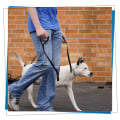
Welcome to the world of obedience trainingobedience training, where mastering the basics sets the foundation for a harmonious relationship between you and your furry friend. One of the most essential commands every dog owner should focus on is the Stay command. This simple yet powerful directive can be a game-changer in your dog’s behavior, ensuring their safety and enhancing their responsiveness to your commands. Imagine a scenario where your dog sees a squirrel darting across the park, their instinct might be to chase after it. However, if your pup has mastered the Stay command, you can confidently ask them to remain in place, keeping them safe from potential dangers.
Not only does this command help prevent accidents, but it also fosters discipline and strengthens your bond with your canine companion. In this article, we will dive deep into the intricacies of teaching the Stay command. Whether you are a new dog owner or an experienced trainer looking to refine your skills, understanding how to effectively communicate this command will open up a world of possibilities for you and your dog. Get ready to transform your training sessions and see remarkable improvements in your dog's obedience!The stay command is one of the most crucial commands in dog training, serving as a foundation for overall obedience and safety. Teaching your dog to stay can prevent unwanted behaviors such as jumping on guests or running away during walks. is one of the most crucial commands in dog training, serving as a foundation for overall obedience and safety. Teaching your dog to stay can prevent unwanted behaviors such as jumping on guests or running away during walks.
Many dog owners seek assistance with this command because it is essential in various scenarios where control over your pet is necessary. To teach the stay command, start with a few basic steps. First, ensure you have a supply of treats that your dog enjoys, as positive reinforcement is key to successful training. Begin by asking your dog to sit. Once they are seated, hold a treat in front of their nose to get their attention.
Gradually move your hand away while saying "stay" in a calm and firm voice. If your dog remains in place, reward them immediately with the treat and plenty of praise. This reinforces the behavior you want to see. Next, gradually increase the distance between you and your dog while practicing the stay command. Take a step back, and if your dog holds the position, reward them again.
If they get up, calmly guide them back to the starting position and repeat the process. It’s important to be consistent with your commands and rewards. Use the same word and tone each time to avoid confusing your dog. Patience is vital during this training process. Some dogs will catch on quickly, while others may take longer to understand the concept of staying in place.
Training sessions should be short and frequent, ideally lasting no longer than 10-15 minutes to maintain your dog's focus. Ending each session positively will help reinforce their desire to learn. The stay command becomes particularly important in various real-life situations. For example, when you're out for a walk, asking your dog to stay at street corners can prevent accidents and ensure their safety. Similarly, when guests arrive at your home, having your dog stay can avoid chaotic greetings that might lead to jumping or barking.
In these scenarios, the stay command helps establish control and promotes good behavior. However, challenges may arise during training due to distractions in the environment. Dogs are often tempted by sounds, smells, or other animals. To overcome these distractions, begin practicing in a quiet environment before gradually introducing more challenging settings with increased stimuli. If your dog breaks the stay, gently guide them back without punishing them and continue to practice until they succeed. If you find that you are struggling with the stay command or if your dog exhibits persistent behavioral issues, it may be time to seek professional help.
Local trainers or obedience classes can provide guided training sessions that cater specifically to you and your dog's needs. These professionals can offer personalized strategies and support that may be necessary for overcoming specific challenges. For those interested in specialized training resources, particularly for service dogs, consistent commands like stay are even more critical. Service dogs must perform reliably in various situations where their owners depend on them for safety and assistance. Training programs designed for service dogs emphasize not only obedience but also the importance of reliable commands in high-stress environments. In conclusion, teaching your dog the stay command is an invaluable part of their training regimen that enhances both obedience and safety.
By using treats and positive reinforcement, maintaining consistency and patience, and seeking professional help when needed, you can ensure that your dog masters this essential command.
Step-by-Step Training Techniques
Teaching your dog the stay command is a fundamental aspect of obedience training that enhances your pet's safety and behavior. Here are effective methods to train your dog to master the stay command.1.Start with Basic Commands:
Before introducing the stay command, ensure your dog understands basic commands like sit and down. These commands provide a solid foundation for more advanced training.2.Choose a Quiet Environment:
Begin training in a quiet, distraction-free area. This helps your dog focus better on learning the stay command.3.Use Positive Reinforcement:
Have treats ready to reward your dog.When they successfully stay in position, immediately praise them and give them a treat. This reinforces the behavior.
4.Command and Gesture:
Stand in front of your dog and give the commandUnderstanding the Stay Command
The Stay Command is a fundamental instruction in dog training that teaches your pet to remain in a specific position until given a release cue. This command is essential for maintaining control over your dog in various situations, whether you are at home, in public spaces, or during outdoor activities. By mastering the stay command, dogs learn to be patient and calm, which contributes significantly to their overall obedience. The significance of the stay command extends beyond mere obedience.It plays a crucial role in ensuring the safety of your dog. For instance, when you need your dog to stay put while you open a door or interact with other people or pets, the stay command can prevent them from jumping or running away unexpectedly. This can be particularly important in busy environments where distractions abound. Additionally, incorporating the stay command into your dog's training routine can help address common behavioral issues. Many dog owners struggle with pets that tend to jump on guests, dart into the street, or pull on their leashes during walks.
By consistently practicing the stay command, you can foster a sense of discipline and security in your dog, making daily interactions more enjoyable for both of you. In summary, understanding and implementing the stay command is vital not just for obedience but also for enhancing your dog's safety and well-being in everyday life.
When to Seek Professional Help
While many dog owners can successfully teach their pets the Stay command, there are instances where it may be beneficial to seek the guidance of a professional dog trainer. Recognizing the signs that indicate a need for professional assistance can significantly enhance your training efforts and improve your dog's behavior. One of the primary indicators that it may be time to consult a trainer is if your dog consistently struggles with the , there are instances where it may be beneficial to seek the guidance of a professional dog trainer. Recognizing the signs that indicate a need for professional assistance can significantly enhance your training efforts and improve your dog's behavior. One of the primary indicators that it may be time to consult a trainer is if your dog consistently struggles with the Stay command. If your pet repeatedly fails to remain in place, even with consistent practice, a professional can assess your training techniques and suggest more effective methods tailored to your dog's individual needs. Another sign is if your dog exhibits behavioral issues such as excessive jumping, running away, or inability to control impulses. These behaviors can pose safety risks, not only for your pet but also for others.A skilled trainer can provide strategies to address these issues while reinforcing the importance of commands like Stay.Additionally, if you find yourself feeling frustrated or overwhelmed during training sessions, this may be a signal that professional help is necessary. Training a dog requires patience and expertise, and a trainer can offer valuable support and encouragement to help you both succeed. Lastly, if you are preparing your dog for specific situations—such as visits to crowded places, interactions with other pets, or public outings—consulting a trainer can provide you with specialized techniques to ensure your dog responds reliably to the Stay command in these environments.
Resources for Continued Learning
To truly master the Stay command and enhance your dog’s obedience, it’s essential to seek out additional resources that can aid in your training journey. There are various avenues you can explore, including local trainers, online courses, and informative books on obedience training.Local Trainers:
Connecting with a professional dog trainer in your area can provide personalized guidance and support. Look for trainers who specialize in positive reinforcement techniques and have a good reputation within your community.Many trainers offer group classes or private sessions focused on basic commands like the Stay command, helping you and your dog learn together in a structured environment.
Online Courses:
The digital age has made it easier than ever to access quality training resources from the comfort of your home. Numerous platforms offer comprehensive online courses that cover various aspects of dog training, including the Stay command. These courses often feature video demonstrations, step-by-step instructions, and interactive forums where you can ask questions and share experiences with other dog owners.Books on Obedience Training:
A wealth of knowledge can be found in books dedicated to dog training. Look for titles that focus on basic commands and obedience training techniques.Authors who are experienced trainers often share valuable insights, tips, and training plans that you can implement at home. Reading about different approaches to the Stay command can help you find the methods that work best for you and your dog. By utilizing these resources, you’ll be well-equipped to reinforce the Stay command and enhance your dog’s overall behavior, ensuring a safe and enjoyable experience for both of you.
Common Challenges in Training
Training your dog to master the Stay command can be a rewarding experience, but it often comes with its own set of challenges. Understanding these common obstacles can help you navigate the training process more effectively. One frequent challenge is distractions. Dogs are naturally curious and may find it difficult to focus on the Stay command when there are other people, animals, or interesting smells nearby.To overcome this, practice in a quiet environment first, gradually introducing distractions as your dog becomes more proficient. Another issue many dog owners face is inconsistency in their commands. If you use the Stay command inconsistently or vary your tone and body language, your dog may become confused. To resolve this, ensure that everyone in your household uses the same command and follows the same training techniques. Some dogs may also struggle with impatience. They might not understand that they need to remain in position until released.
To combat this, start with short durations of the Stay command and gradually increase the time as your dog becomes more comfortable. Fear or anxiety can also hinder a dog's ability to follow the Stay command. If your dog seems anxious or fearful during training, take a step back and make the experience more positive. Use treats and praise to reward even small successes, creating a safe learning environment. Lastly, physical limitations can affect some dogs’ performance with the Stay command. Older dogs or those with health issues might find it difficult to remain still.
In such cases, be patient and adjust your expectations based on your dog’s abilities. By identifying these challenges and employing effective strategies, you can enhance your training sessions and help your dog become proficient at the Stay command.In conclusion, mastering the stay command is essential for ensuring your dog’s safety and obedience. Throughout this article, we explored the significance of the stay command in daily situations, from preventing unwanted jumping to keeping your dog from running away. We provided step-by-step training techniques that can help you effectively teach this command, while also addressing common challenges that may arise during the training process. If you encounter difficulties or feel overwhelmed, remember that seeking professional help is always an option. Additionally, continuing your education through various resources can further enhance your training skills and bond with your dog. We encourage you to practice the stay command consistently and share your experiences or any questions you may have in the comments section below.
Engaging with our community can provide support and motivation as you work towards achieving a well-trained and obedient companion.