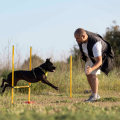
In the ever-evolving world of dog training, one method consistently shines above the rest: positive reinforcementpositive reinforcement. This approach not only fosters a deeper bond between dogs and their owners but also promotes a healthier, happier learning environment. Imagine a scenario where your furry companion is eager to learn, motivated by praise and rewards rather than fear or punishment. This is the essence of positive reinforcement, a technique that aligns with a dog's natural instincts and desires. As we delve into the benefits of positive reinforcement in dog training, it's essential to understand how this method transforms not just the behavior of our pets but also the dynamics of our relationship with them.
By focusing on rewarding desirable actions, we cultivate a sense of trust and mutual respect. This creates an atmosphere where dogs are excited to participate in training sessions, leading to quicker and more effective learning. Throughout this article, we will explore various aspects of positive reinforcement, illustrating its effectiveness through real-life examples and expert insights. Whether you are a seasoned trainer or a new pet owner, you will discover how implementing these techniques can significantly enhance your dog's behavior and overall well-being. Join us as we uncover the myriad advantages that await when you embrace positive reinforcement in your dog training journey. Positive reinforcement is a training method that involves rewarding desirable behaviors to encourage their repetition.
It has gained considerable traction among dog owners and trainers alike, primarily due to its effectiveness compared to traditional methods such as punishment-based training. As more pet owners seek the guidance of professional trainers to improve their dogs' behavior, the interest in positive reinforcement techniques has surged, underscoring the need to explore the benefits of positive reinforcement in dog training.One of the primary advantages of positive reinforcement is its ability to facilitate improved learning. Dogs thrive on rewards, and when they associate specific behaviors with positive outcomes, they are more likely to repeat those actions. For example, a dog that receives a treat for sitting on command will quickly learn that sitting leads to a reward, thereby reinforcing the behavior.
This method not only makes learning enjoyable for the dog but also enables quicker acquisition of commands and tricks. Additionally, positive reinforcement significantly increases motivation in dogs. When training is framed around rewards, dogs are more eager to participate in sessions. This heightened motivation translates into greater engagement during training, leading to better results. For instance, a dog that receives praise and playtime after completing a task is likely to approach future training with enthusiasm, making the process much more rewarding for both the dog and the owner. Furthermore, employing positive reinforcement helps cultivate stronger owner-dog relationships.
By using rewards to reinforce good behavior, owners build trust and respect with their pets. This bond enhances communication, allowing for a deeper understanding between the two. When dogs feel appreciated and rewarded for their actions, they are more inclined to listen and respond positively to their owners. As a result, the training experience becomes a collaborative effort rather than a contentious one. Positive reinforcement is particularly effective in addressing common obedience problems and behavioral issues.
For instance, if a dog tends to jump on guests when they arrive, employing positive reinforcement can help curb this behavior. By rewarding the dog for remaining calm and sitting when guests enter, owners can gradually shape their pet's behavior without resorting to negative tactics that may foster fear or anxiety. Similarly, dogs exhibiting separation anxiety can benefit from positive reinforcement through gradual desensitization techniques paired with rewards for calm behavior when left alone. Despite its many advantages, some individuals express concerns about relying solely on treats as rewards. However, it's crucial to recognize that there are various forms of rewards beyond food.
Praise, for instance, can be incredibly motivating for many dogs. Verbal affirmations and physical affection serve as powerful reinforcers that can be just as effective as treats. Additionally, incorporating playtime as a reward can enhance the training experience while fostering a healthy bond between dog and owner. Engaging in games like fetch or tug-of-war can serve as excellent incentives for good behavior. In specialized training scenarios, such as service dog training, positive reinforcement proves particularly beneficial.
Service dogs must learn complex tasks that require reliability and precision. Using positive reinforcement helps these dogs remain motivated and focused on their duties while fostering a strong connection with their handlers. Trainers often report higher success rates when utilizing this method in service dog programs, highlighting its efficacy in high-stakes environments. While some may advocate for alternative training methods that incorporate negative reinforcement or aversive techniques, it is essential to reaffirm the advantages of positive reinforcement backed by evidence from trainers and studies. Research consistently shows that positive reinforcement leads to better long-term results in behavior modification without introducing fear or anxiety into the learning process.
Moreover, trainers who specialize in modern methods frequently cite improved outcomes when utilizing positive techniques over those relying heavily on punishment. In conclusion, the numerous benefits of positive reinforcement in dog training—such as enhanced learning capabilities, increased motivation, stronger relationships between owners and their pets, effective resolution of behavioral issues, and applicability across various training contexts—make it an invaluable approach for dog owners seeking to improve their pets' behavior and overall well-being.
Building a Stronger Bond
Positive reinforcement is a powerful tool in dog training that goes beyond merely teaching commands; it plays a crucial role in building a strong bond between the dog and its owner. When owners use positive reinforcement, they reward their dogs for desirable behaviors, creating an environment of trust and mutual respect. This method encourages dogs to associate training sessions with positive experiences. As a result, dogs are more likely to engage willingly and enthusiastically during training, knowing that their efforts will be rewarded. This fosters a sense of security in the dog, leading to a deeper emotional connection with the owner. Moreover, when owners consistently utilize positive reinforcement, they communicate to their dogs that they are valued and understood.This not only enhances the dog's learning but also strengthens the relationship, as the dog learns to trust its owner more deeply. Such trust is foundational for effective communication between the dog and owner, paving the way for a harmonious partnership. As the bond grows, so does the dog's willingness to follow commands and engage in activities with its owner. The relationship evolves into one based on cooperation rather than fear or intimidation, which can often arise from other training methods. Consequently, both the dog and owner experience increased satisfaction and joy during their interactions, enhancing their overall quality of life together.
Versatility in Training
Positive reinforcement is a remarkably adaptable training technique, making it suitable for a wide range of dog training needs.Whether you are training a family pet or preparing a service dog, the principles of positive reinforcement can be tailored to meet specific goals and requirements. This method involves rewarding desired behaviors, which encourages dogs to repeat those actions. For instance, when training a service dog, handlers can use treats, praise, or playtime as rewards for successfully completing tasks such as retrieving items or assisting individuals with disabilities. This not only reinforces the behavior but also strengthens the bond between the handler and the dog. Furthermore, positive reinforcement can be adapted for various learning styles and temperaments. Some dogs may respond better to verbal praise, while others might find food rewards more motivating.
By observing each dog's unique preferences, trainers can customize their approach to maximize effectiveness. This versatility extends beyond just service dogs; it applies to obedience training, agility training, and even behavioral modification. For example, a dog struggling with anxiety may benefit from gradual exposure to triggers paired with positive reinforcement, helping them build confidence over time. The adaptability of By observing each dog's unique preferences, trainers can customize their approach to maximize effectiveness. This versatility extends beyond just service dogs; it applies to obedience training, agility training, and even behavioral modification. For example, a dog struggling with anxiety may benefit from gradual exposure to triggers paired with positive reinforcement, helping them build confidence over time. The adaptability of positive reinforcement not only caters to different training objectives but also fosters an environment of trust and collaboration between the dog and trainer. As more dog owners recognize these benefits, the demand for trainers skilled in positive reinforcement techniques continues to grow, underscoring its effectiveness across diverse training scenarios.
Enhanced Learning and Retention
When it comes to dog training, one of the most significant advantages of positive reinforcement is its ability to enhance learning and retention.Dogs
are naturally inclined to repeat behaviors that result in rewards, making training sessions not only effective but also enjoyable for both the animal and the trainer. Studies have shown that dogs trained using positive reinforcement techniques tend to learn commands more quickly compared to those trained with traditional methods that rely on punishment.This is largely due to the fact that rewarding desirable behaviors fosters a more engaging and motivating learning environment. When a dog associates a command with a positive outcome, such as treats, praise, or playtime, they are more likely to remember and execute the command in the future. Anecdotal evidence from dog trainers and owners supports these findings. Many have reported that their dogs not only grasp commands faster but also display a higher level of enthusiasm during training sessions. This heightened motivation contributes to better retention of commands over time, as dogs are eager to perform behaviors that they know will be rewarded. In contrast, training methods that employ negative reinforcement can create fear or anxiety in dogs, which can hinder their ability to learn effectively.
When a dog is anxious or fearful, it becomes much harder for them to focus on the task at hand, ultimately affecting their retention of commands. Overall, the use of positive reinforcement in dog training not only accelerates the learning process but also ensures that dogs retain what they have learned. This approach cultivates a strong bond between the dog and owner, leading to a more harmonious relationship built on trust and mutual respect.
Addressing Behavioral Issues
Positive reinforcement is a powerful tool in dog training, particularly when it comes to addressing behavioral issues. This technique focuses on rewarding desirable behaviors rather than punishing undesirable ones, which fosters a more trusting and positive relationship between the dog and the owner. By using positive reinforcement, owners can effectively modify behaviors such as excessive barking, jumping, or even aggression. For example, if a dog tends to bark excessively when visitors arrive, rather than scolding the dog for barking, the owner can reward the dog for staying calm and quiet.By consistently applying this method, the dog learns that remaining calm leads to positive outcomes, such as treats or praise. This not only reduces the undesirable behavior but also enhances the dog's overall obedience and responsiveness. Moreover, studies have shown that dogs trained with positive reinforcement techniques are more likely to exhibit improved behavioral outcomes. According to research published in animal behavior journals, dogs trained using these methods exhibit lower levels of stress and anxiety compared to those trained with aversive techniques. This highlights the dual benefit of promoting good behavior while ensuring the well-being of the dog. Anecdotal evidence from dog trainers and owners further supports the effectiveness of positive reinforcement.
Many report significant improvements in their dogs' behavior after implementing reward-based training strategies. These stories of success not only encourage more dog owners to adopt positive reinforcement but also contribute to a growing community that values humane training methods. In conclusion, positive reinforcement proves to be an effective strategy for modifying undesirable behaviors in dogs. By focusing on rewarding good behavior, dog owners can foster a happier, more well-adjusted pet while reducing stress for both themselves and their canine companions. In conclusion, the benefits of positive reinforcement in dog training are clear and compelling. By enhancing learning and retention, it ensures that dogs not only grasp commands quickly but also remember them over time.
Moreover, this method fosters a stronger bond between dogs and their owners, creating a relationship built on trust and mutual respect. Additionally, positive reinforcement effectively addresses behavioral issues, allowing for constructive and humane solutions that prioritize the well-being of the dog. Its versatility means it can be applied across various training scenarios, making it a preferred choice for many dog owners. Ultimately, embracing positive reinforcement not only leads to better training outcomes but also contributes to a happy and healthy relationship between dogs and their owners. We encourage readers to consider this approach when seeking training solutions or professional help.