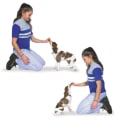
In the world of dog training, the phrase In the world of dog training, the phrase Using Treats Effectively resonates with both novice and experienced trainers alike. The key to unlocking a dog's potential lies not just in commands and corrections, but in the art of positive reinforcement. By incorporating treats into training sessions, especially when using the best raw dog food, we can create an engaging and rewarding environment that fosters learning and strengthens the bond between handler and canine. But how do we ensure that our approach is effective? The answer lies in understanding the psychology behind why dogs respond to treats and how to use them strategically. This article will delve into the nuances of treat-based training, exploring various methods to enhance your dog's learning experience while promoting good behavior. resonates with both novice and experienced trainers alike. The key to unlocking a dog's potential lies not just in commands and corrections, but in the art of positive reinforcement. By incorporating treats into training sessions, especially when using the best raw dog food, we can create an engaging and rewarding environment that fosters learning and strengthens the bond between handler and canine. But how do we ensure that our approach is effective? The answer lies in understanding the psychology behind why dogs respond to treats and how to use them strategically. This article will delve into the nuances of treat-based training, exploring various methods to enhance your dog's learning experience while promoting good behavior. . By incorporating treats into training sessions, especially when using the best raw dog food, we can create an engaging and rewarding environment that fosters learning and strengthens the bond between handler and canine. But how do we ensure that our approach is effective? The answer lies in understanding the psychology behind why dogs respond to treats and how to use them strategically. This article will delve into the nuances of treat-based training, exploring various methods to enhance your dog's learning experience while promoting good behavior. resonates with both novice and experienced trainers alike. The key to unlocking a dog's potential lies not just in commands and corrections, but in the art of positive reinforcement. By incorporating treats into training sessions, especially when using the best raw dog food, we can create an engaging and rewarding environment that fosters learning and strengthens the bond between handler and canine. But how do we ensure that our approach is effective? The answer lies in understanding the psychology behind why dogs respond to treats and how to use them strategically. This article will delve into the nuances of treat-based training, exploring various methods to enhance your dog's learning experience while promoting good behavior.
From choosing the right treats to timing your rewards, we'll cover essential tips and techniques that can transform your training sessions. As we embark on this journey together, prepare to discover how Using Treats Effectively can not only improve your dog's obedience but also make training a fun and enjoyable process for both of you. Whether you're tackling basic commands or advanced tricks, the principles outlined here will empower you to make the most of your time together. So grab those treats and let’s get started!In the world of dog training, positive reinforcement has emerged as a highly effective method for teaching dogs desired behaviors. Utilizing treats in this process can significantly enhance training outcomes when applied correctly.
Treats serve as a powerful motivator, making the learning experience enjoyable for dogs while also ensuring that they associate good behavior with positive rewards. In this article, we will delve into various aspects of using treats effectively in dog training, emphasizing their crucial role in fostering positive behaviors. One fundamental aspect of using treats is understanding the different types available.
High-value treats
are particularly enticing for dogs and are often used in training situations that require a strong motivation, such as when teaching new commands or addressing challenging behaviors. These treats might include small pieces of meat, cheese, or special commercial dog treats that your dog finds irresistible. are particularly enticing for dogs and are often used in training situations that require a strong motivation, such as when teaching new commands or addressing challenging behaviors. These treats might include small pieces of meat, cheese, or special commercial dog treats that your dog finds irresistible.On the other hand, low-value treats, like plain kibble or biscuits, can be suitable for reinforcing basic commands that your dog has already mastered. Knowing when to use each type of treat is essential; high-value treats should be reserved for moments when you need to capture your dog's full attention or promote significant behavioral changes. Timing is another critical factor in effectively using treats during training. To reinforce learning, it is imperative to give a treat immediately after the dog exhibits the desired behavior. This immediate reward helps the dog make a clear connection between their action and the positive outcome.
If there is too long a delay between the behavior and the treat, the dog may not understand what they are being rewarded for, which can hinder the learning process. As the dog becomes more proficient with commands and behaviors, it’s important to gradually fade the frequency of treat rewards. This process involves gradually reducing the number of treats given while still providing praise and affection. The goal is to transition from relying solely on treats to incorporating verbal praise and physical affection as rewards. This helps dogs learn that positive reinforcement comes in various forms and encourages them to respond even when treats are not present. Special cases in training can often benefit from effective use of treats.
For instance, if a dog struggles with jumping on guests, treats can be utilized by rewarding the dog for remaining calm when visitors arrive. By consistently rewarding calm behavior and redirecting attention away from jumping, owners can help their dogs learn appropriate greetings. Similarly, for dogs that bark excessively, rewarding quiet behavior with treats can reinforce the idea that calmness is preferred. In cases of separation anxiety, treats can help create a positive association with being alone by rewarding the dog for staying calm during short absences. When using treats in training, it's essential to consider the individual dog's characteristics such as age, breed, and temperament.
Younger dogs may respond better to high-value treats due to their higher energy levels and enthusiasm for food. Conversely, older dogs might prefer softer treats that are easier to chew. Breed tendencies can also play a role; some breeds might be more food-driven than others, necessitating an adjustment in treat selection and training approaches. Additionally, monitoring a dog's weight and health is crucial when incorporating treats into their diet to ensure they remain healthy while enjoying their training sessions. While treats are an excellent tool for positive reinforcement, they are not the only option available.
Other forms of positive reinforcement, such as toys or verbal praise, can complement treat-based training. For example, some dogs may respond well to playtime as a reward for good behavior, while others might thrive on enthusiastic verbal encouragement. Incorporating a variety of rewards helps keep training sessions engaging and tailored to each dog's preferences. In conclusion, using treats effectively in dog training involves understanding the types of treats available, timing rewards appropriately, gradually fading treat use, addressing specific behavioral issues with targeted approaches, considering individual dog needs, and exploring alternative forms of positive reinforcement. By employing these strategies, trainers can create a supportive environment that fosters learning and strengthens the bond between dogs and their owners.
Timing and Delivery
Timing is a crucial element in the effective use of treats during dog training.When a dog performs a desired behavior, the treat should be delivered immediately to create a strong association between the action and the reward. This immediate reinforcement helps the dog understand what specific behavior is being rewarded, enhancing their learning process. For example, if you are teaching your dog to sit, the moment their bottom touches the ground, you should offer a treat without delay. If there is a lag between the action and the reward, the dog may become confused and not connect the treat with the desired behavior. Moreover, delivery of the treat also matters. It should be given in a way that is both enticing and engaging for the dog.
Holding the treat at eye level or in front of them can help draw their attention and encourage them to focus on you. Additionally, varying the type of treats can keep your dog motivated and excited about training sessions. Ultimately, mastering the art of timing and delivery can significantly improve your dog's responsiveness to commands, making training sessions more productive and enjoyable for both you and your furry friend.
Addressing Behavioral Issues
When it comes to addressing behavioral issues in dogs, using treats effectively can make a significant difference. Many common problems, such as excessive barking or destructive chewing, can be managed through positive reinforcement techniques that incorporate treats. For instance, if your dog barks excessively, it is crucial to identify the triggers of this behavior. Once you understand what causes the barking, you can begin to implement a strategy using treats.When your dog remains quiet in a situation that typically provokes barking, immediately reward them with a treat. This reinforces the desired behavior and teaches your dog that being calm is more rewarding than barking. Similarly, for dogs that have a tendency to chew on furniture or other inappropriate items, the key is to redirect their attention. If you catch your dog in the act of chewing something they shouldn't, gently redirect them to a chew toy and reward them with a treat when they engage with it instead. This not only discourages the unwanted behavior but also promotes positive chewing habits. Consistency is essential when using treats to address behavioral issues.
Ensure that everyone in the household is on the same page regarding the training methods used. This uniformity helps your dog understand what behaviors are acceptable and which are not. In summary, using treats effectively can provide a powerful means of addressing common behavioral issues in dogs. By rewarding positive behaviors and redirecting negative ones with treats, you can foster a more harmonious environment for both you and your furry friend.
Tailoring Treats to Your Dog
Choosing the right treats for your dog is crucial in maximizing the effectiveness of positive reinforcement during training.Using treats effectively
requires an understanding of your dog's individual needs, including their age, health status, and preferences. For puppies, small and soft treats are ideal as they are easy to chew and digest.Look for options that are specifically formulated for young dogs, ensuring they contain the necessary nutrients for growth and development. As your dog matures, you can introduce a variety of treats that cater to their changing tastes. For adult dogs, consider their activity level and any dietary restrictions. High-energy dogs may benefit from higher protein treats, while less active dogs might require lower-calorie options to prevent weight gain. Always keep an eye on portion sizes, especially when using treats frequently during training sessions. Health considerations are also paramount.
If your dog has allergies or sensitivities, consult your veterinarian to determine safe treat options. There are many hypoallergenic treats available that cater to dogs with specific dietary needs. Additionally, for senior dogs or those with dental issues, softer treats or even homemade options can be more suitable. Finally, observe your dog's reactions to different treats. Some dogs may have strong preferences for certain flavors or textures.
Experimenting with various options can help you discover what motivates your dog the most, making using treats effectively a more rewarding experience for both of you.
Types of Treats
When it comes to dog training, understanding the different types of treats is crucial for maximizing the effectiveness of your positive reinforcement techniques. Treats can be classified into two main categories: high-value and low-value treats.High-value treats
are those that your dog finds particularly enticing. These are often soft, smelly, and flavorful options such as pieces of cooked chicken, cheese, or commercial training treats designed specifically for motivation. High-value treats are ideal for challenging training situations, such as teaching complex commands or addressing behavioral issues.Because they are so appealing, they can help keep your dog focused and engaged during training sessions. On the other hand, low-value treats are generally less exciting for your dog. These might include kibble, plain biscuits, or other everyday food items that your dog enjoys but doesn’t find irresistible. Low-value treats are better suited for routine commands or behaviors that your dog already knows well. They work well for reinforcement in less distracting environments where your dog is likely to respond positively without needing the highest level of motivation. When selecting treats for your training sessions, consider your dog's individual preferences and motivations.
Some dogs may be more motivated by certain flavors or textures, while others may respond better to higher-value options during specific training tasks. Observing your dog’s reactions to different types of treats will help you determine what works best for them. Additionally, remember to adjust the size of the treats to keep your dog engaged without overfeeding them. Small pieces are often sufficient to reward good behavior while keeping calorie intake in check. In conclusion, understanding the differences between high-value and low-value treats is essential in tailoring your approach to dog training effectively.
By selecting the right type of treat based on your dog's preferences and the training context, you can enhance their learning experience and strengthen the bond between you and your furry friend.
Gradual Fading Techniques
As you progress in your dog training journey, it becomes essential to foster independence and reduce reliance on treats while maintaining your dog’s motivation.Gradual fading techniques
are designed to help achieve this balance effectively. One effective method is the variable reinforcement schedule. Instead of giving treats every time your dog performs a desired behavior, start by rewarding them intermittently. This unpredictability keeps your dog engaged and motivated, as they learn that treats might come at any time. Another approach is to gradually decrease the size and frequency of treats.Begin with larger treats and more frequent rewards during initial training sessions. As your dog masters the behavior, slowly switch to smaller treats and reduce the number of rewards. This gradual transition helps your dog adjust while still feeling rewarded for their efforts. Incorporating verbal praise and physical affection as rewards can also support the fading process. Once your dog understands the behavior, pair occasional treats with enthusiastic verbal praise or a belly rub.
Over time, you can phase out treats altogether, relying more on positive affirmations to motivate your dog. Additionally, consider using playtime or a favorite toy as a reward. Dogs often value playtime highly; thus, replacing treats with play can keep them engaged and excited about training sessions without an over-reliance on food rewards. Finally, it’s crucial to monitor your dog’s response throughout this process. If you notice a decline in motivation or enthusiasm, revisit the frequency of treat rewards and adjust as necessary. The goal is to ensure that your dog remains happy and eager to learn while reducing their dependence on treats.
Complementary Positive Reinforcement Techniques
While using treats can be a highly effective method in dog training, it's important to explore complementary positive reinforcement techniques that can enhance the learning experience for your dog.These methods can be used alongside treat training to create a more holistic approach to behavior modification. One effective technique is verbal praise. Dogs often respond positively to their owner's voice, and using an enthusiastic tone can reinforce desired behaviors. Pairing verbal praise with treats can create a strong association between the action and the reward, making it easier for your dog to understand what is expected. Another method is the use of clicker training. A clicker is a small device that makes a distinct sound when pressed, signaling to the dog that they have performed the desired behavior correctly.
When combined with treats, clicker training can provide clear and immediate feedback, helping dogs make connections between their actions and rewards.
Physical affection
is also a powerful tool in positive reinforcement. Many dogs thrive on physical touch, such as petting or gentle scritches. Incorporating affection into your training sessions can boost your dog's confidence and strengthen the bond between you and your pet. Additionally, incorporating playtime as a reward can be especially effective for high-energy dogs. Engaging in a short play session with a favorite toy can serve as a motivator and reinforce good behavior.This not only keeps training fun but also helps in developing a well-rounded canine companion. Lastly, consider using environmental rewards. Allowing your dog to explore a favorite spot or giving them access to a preferred activity after they follow a command can serve as an excellent reinforcement strategy. This approach encourages dogs to engage with their surroundings while responding positively to commands. By integrating these complementary techniques with treat training, you can create a more dynamic and effective training experience that addresses various behavioral issues and fosters long-lasting positive habits in your dog. In conclusion, we have explored the various aspects of using treats effectively in dog training, highlighting the significant role that positive reinforcement plays in shaping desired behaviors. By examining different types of treats, understanding the importance of timing and delivery, and implementing gradual fading techniques, we can see how these elements contribute to a successful training experience.
Furthermore, addressing specific behavioral issues and tailoring treats to suit your dog's individual preferences are essential steps in enhancing their learning process. As you embark on your training journey, remember that every dog is unique, and what works for one may not work for another. We encourage you to experiment with the various techniques discussed to discover the most effective strategies for your furry friend. Always keep the focus on positive reinforcement, as this approach not only strengthens your bond with your dog but also fosters a happy and motivated learner.